

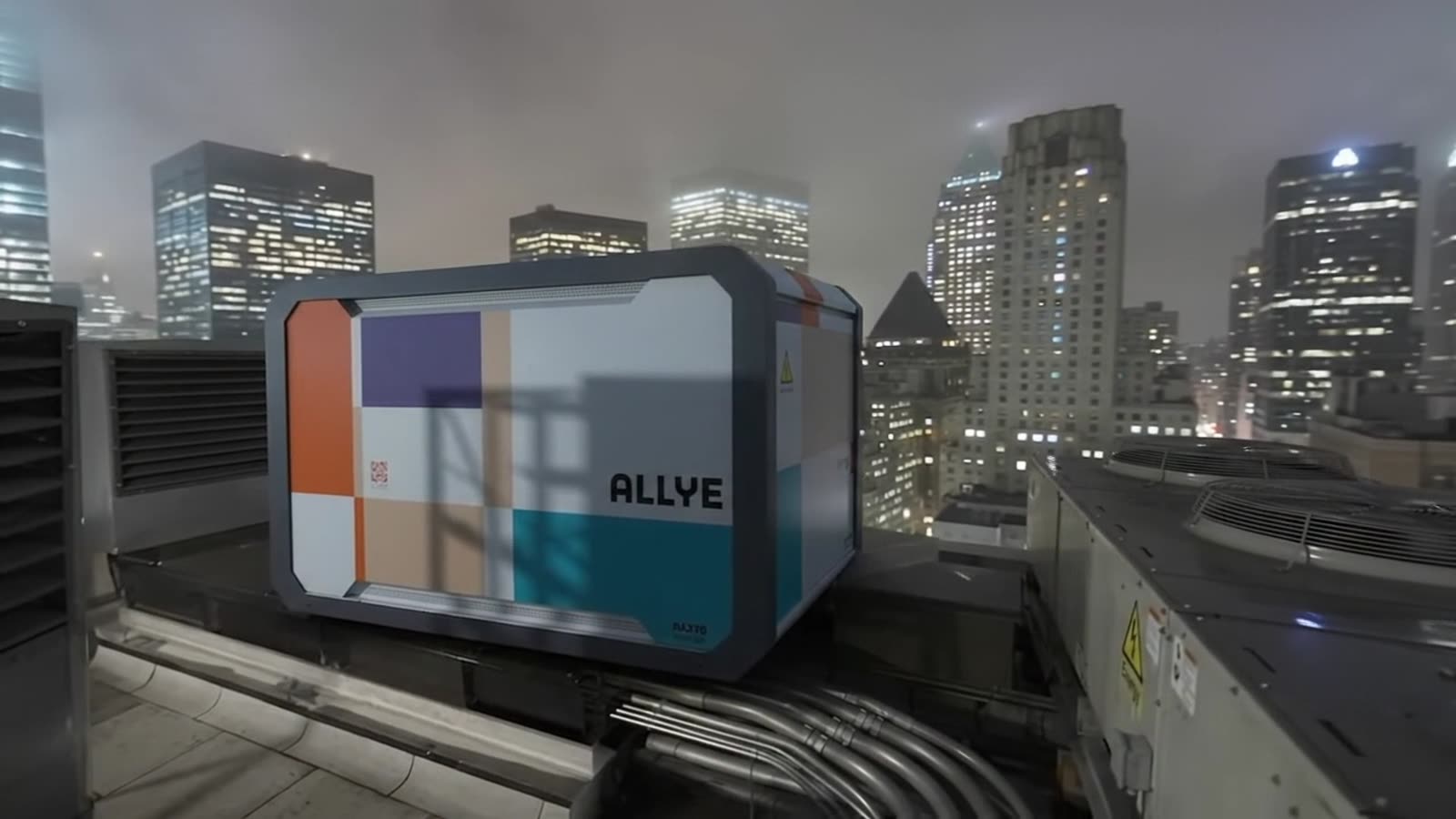
Your standby generator costs you every year, even if it never runs.
Keep the power on. Lose the diesel.
Battery standby power for estates, gardens, zoos and heritage sites, that earns its keep when it is not needed.
The problem
Backup you can't remove. Emissions you can't keep.
Electrifying heating with heat pumps makes the problem bigger: glasshouses, animal houses and buildings now depend on the grid more, not less.
On-grid Estates, gardens, zoos and heritage
It goes against net zero
Often a public 2030 target, and standby diesel is hard to remove.
You can't just remove it
Animals, plants and visitors need backup: diesel must be replaced.
It costs you anyway
About £13,400 a year for a 200kVA set running 24 hours a year.
Your solar goes cheap
Surplus is exported for pence and bought back at peak prices.
How it works
A standby that pays for itself
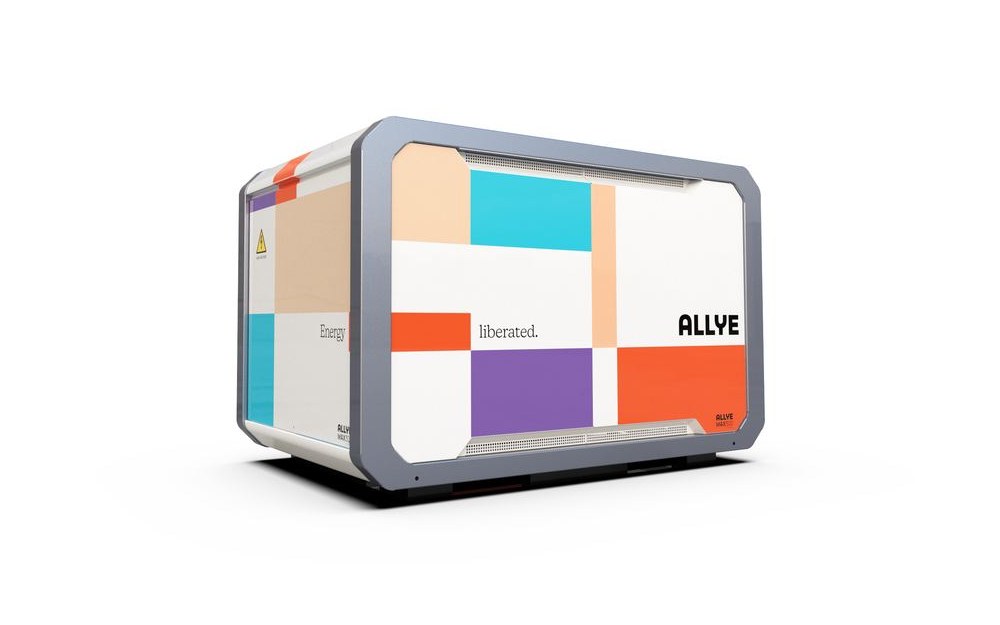
MAX is battery storage built from automotive packs. It sits where the generator was and does three jobs instead of one.
Store
Charge from your solar or off-peak power. No fuel to go stale.
Protect
A reserved charge takes over in under 40ms, with no load tests.
Earn
Earns from grid services, around £9,200 a year for a MAX300.
Save £10,900 a year
£131,000 over the 12-year battery life, replacing a 200kVA standby generator with a MAX300
| Standby generatorCapital, servicing, load tests, fuel, insurance | £13,400 |
| MAX300Capital over 12 years, support and electricity | £11,700 |
| Less MAX300 earningsGrid flexibility services and arbitrage | −£9,200 |
Assumes an owned generator, 3 years old, 24 run hours a year, monthly load tests. We model every site before you commit.
Solar
Use your own solar, don't give it away
of surplus a year from a 100kWp roof, used on site in the evening instead of sold cheaply.
a year on top of the standby saving, and more of your own clean energy counted towards net zero.
Why MAX
Made for gardens, zoos and historic estates
Discreet
MAX300 is under 2m and fits a parking bay. Designed to meet planning, with no pad, fencing or groundworks.
Near-silent
59dB with zero local emissions, so it can sit near visitors, animals and glasshouses.
Built for estates
One unit per site, or parallel units for bigger loads. Prove it at one site, then roll out.
Works for events too
Tow it to a show or seasonal event and recharge without diesel, then bring it back.
Lower-carbon hardware
Built in Britain from EV batteries already on our roads: 60% lower embedded CO2 than new cells.
Safe and supported
CE and UKCA marked, every cell monitored 24/7, supported by the UK engineers who built it.
Proven
Already keeping the power on across the UK
Roadchef
Peak support keeps it under its 315A limit: £120k saved in year one
Read the case study →Fleet charging, ScotlandJ&M Murdoch
DC fast charging from a 32A supply, deferring a £300k grid upgrade
Read the case study →Construction, EnglandLower Thames Crossing
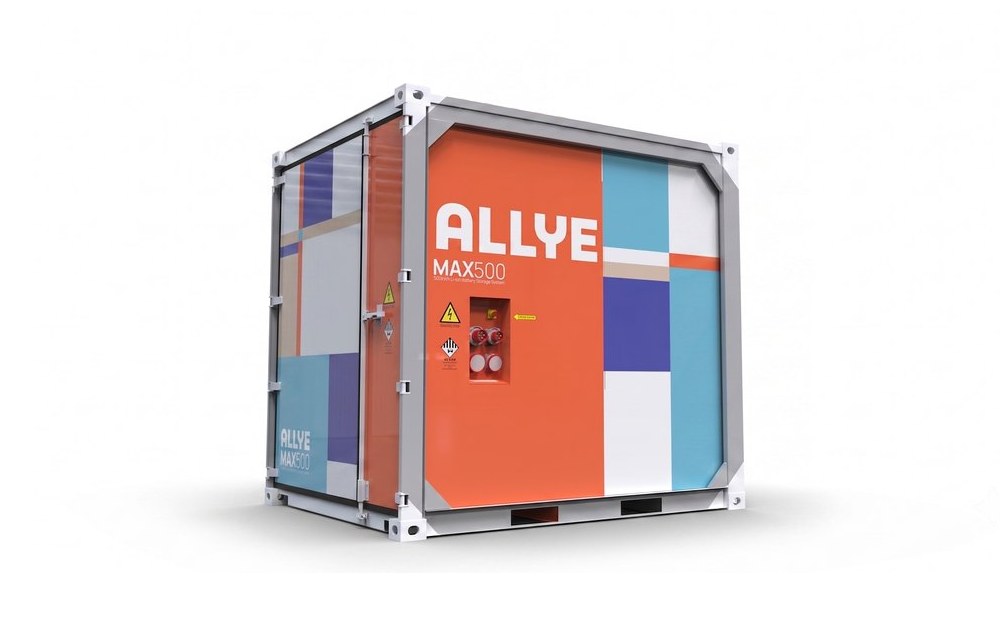
Four MAX500s charging excavators off-grid: over £30k a week saved
Read the case study →Recommended
The MAX for this job
FAQ
Questions buyers ask
Can a battery really replace a standby generator?
Yes. MAX keeps a reserved charge for backup and takes over in under 40ms when the grid fails, with no start-up gap. Modelled on a 200kVA set, a MAX300 saves £10,900 a year.
What does MAX do when there is no outage?
It stores your solar and cheap off-peak power, and earns from grid flexibility services: around £9,200 a year for a MAX300.
Does it need planning permission?
MAX300 is under 2m and fits a parking bay, designed to meet planning, with no pad, fencing or groundworks.
Start with one site
Tell us about one standby generator. We'll show you what it really costs each year, and what MAX would save in money and carbon.
- A free standby assessment for one site
- A pilot that can roll out across your estate
- The full MAX brochure and specifications
sales@allye.com+44 (0)20 805 06560