

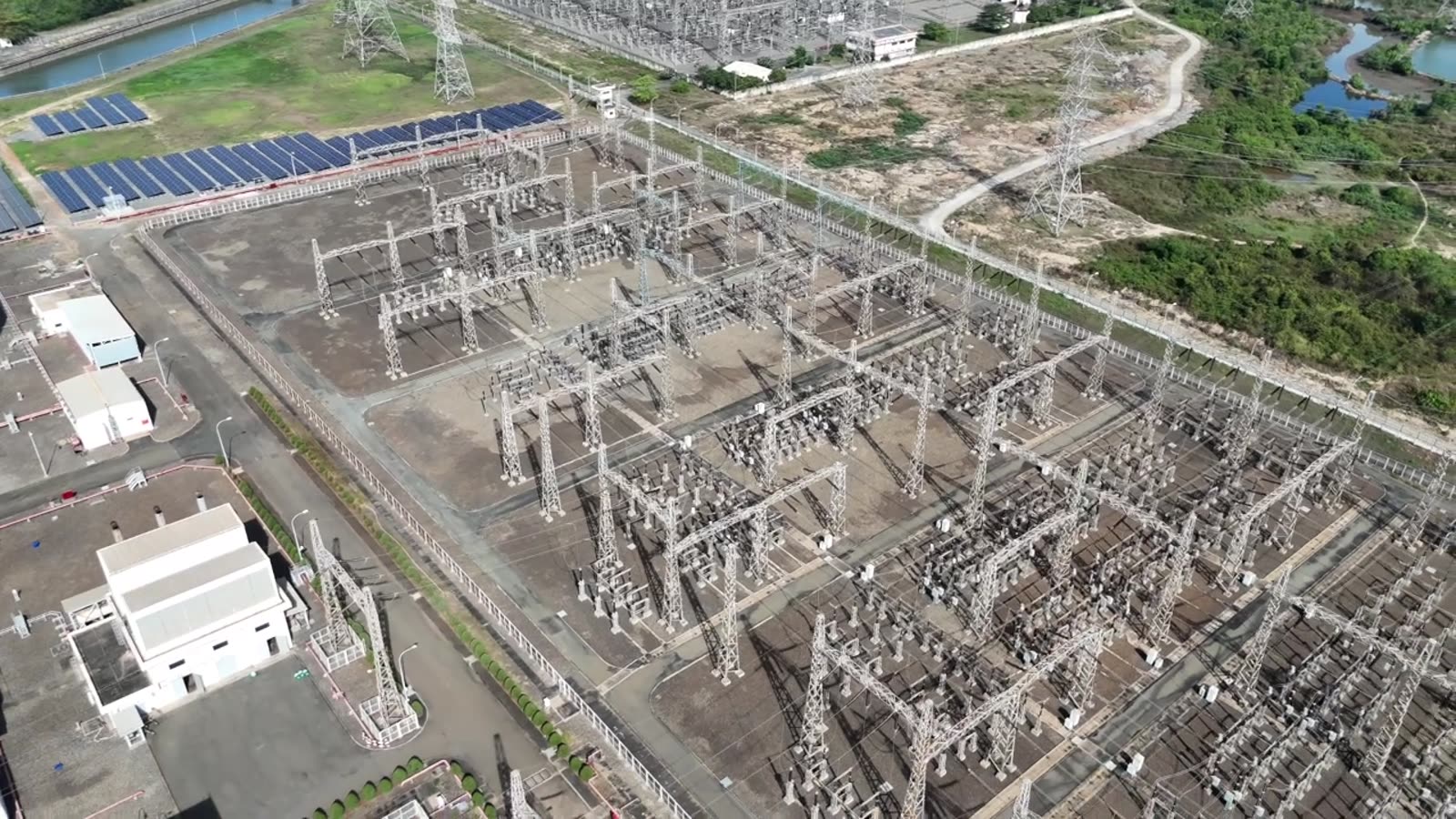
Planned work shouldn't mean a diesel generator on the street.
Keep homes powered. Without the diesel.
Battery power for network maintenance, emergency response and constrained connections.
The problem
Maintenance shouldn't mean diesel
Every planned outage puts a generator on a residential street, often for hours at a time.
Off-grid Network operators and utilities
Customers off supply
Planned work means homes and businesses lose their power.
Generators on streets
Noise, fumes and complaints from residents on every job.
Net zero targets
Operational carbon targets now include temporary generation.
Emergency response
Storms and faults need power on site, fast, day or night.
How it works
Charge it, supply it, move on
MAX supplies homes from an 11kV transformer through the works, then moves to the next job.
Charge
From the network before the work begins, ready for the job.
Supply
Keep homes powered from the battery for the whole of the work.
Return
Recharge and redeploy to the next site, with no diesel used.
Save £103,700 a year
£1.24m over the 12-year battery life, projected from pilot data
| Homes suppliedFrom an 11kV transformer during planned works | 40 |
| Run time and energyOn the day | 5 hours, 150kWh |
| Diesel generator replacedSavings projected over a year | 35t CO2e |
Source: Allye pilots with Scottish and Southern Electricity Networks; savings projected over one year of operation from pilot data.
Deployment
Fast to site, quiet on the street
from a hooklift truck, or towed on a standard licence for smaller jobs.
with zero local emissions, so residents barely notice it.
Why MAX
Made for networks
Near-silent
59dB with zero local emissions, for city centres, night work and near neighbours.
Tow, lift or drop
MAX300 tows under 3.5t on a standard licence; MAX1000 and MAX1500 drop in minutes.
Transport made simple
Classified UN3536: users display a plate and Class 9 label, with no wider ADR obligations.
Recharge without diesel
Top up from any DC fast charger or another MAX, or a generator at efficient load.
Charges your electric plant
Integrated DC charging, up to 1.28MW, for vans, trucks and electric machinery.
Safe and supported
CE and UKCA marked, every cell monitored 24/7, supported by the UK engineers who built it.
Proven
Already keeping the power on across the UK
SSEN
Powering 40 homes from a substation in place of a diesel generator
Roadchef
Peak support keeps it under its 315A limit: £120k saved in year one
Read the case study →Fleet charging, ScotlandJ&M Murdoch
DC fast charging from a 32A supply, deferring a £300k grid upgrade
Read the case study →Construction, EnglandLower Thames Crossing
Four MAX500s charging excavators off-grid: over £30k a week saved
Read the case study →Recommended
The MAX for this job
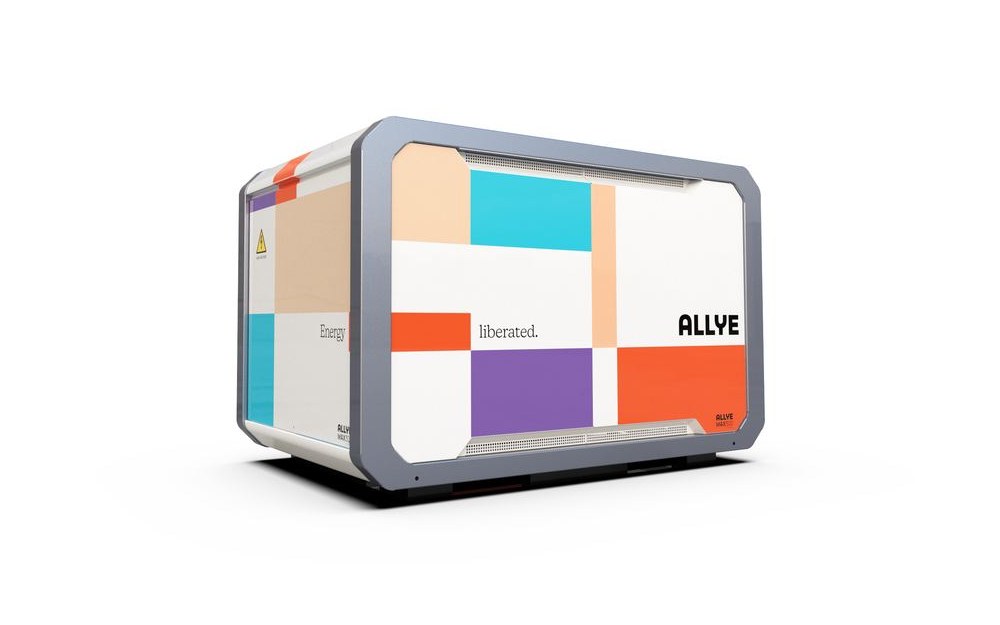
MAX300
- Capacity
- 328kWh
- Continuous power
- 88, 140 or
280kW - DC charging
- up to 400kW
Under 3.5t on its trailer, towed on a standard licence.
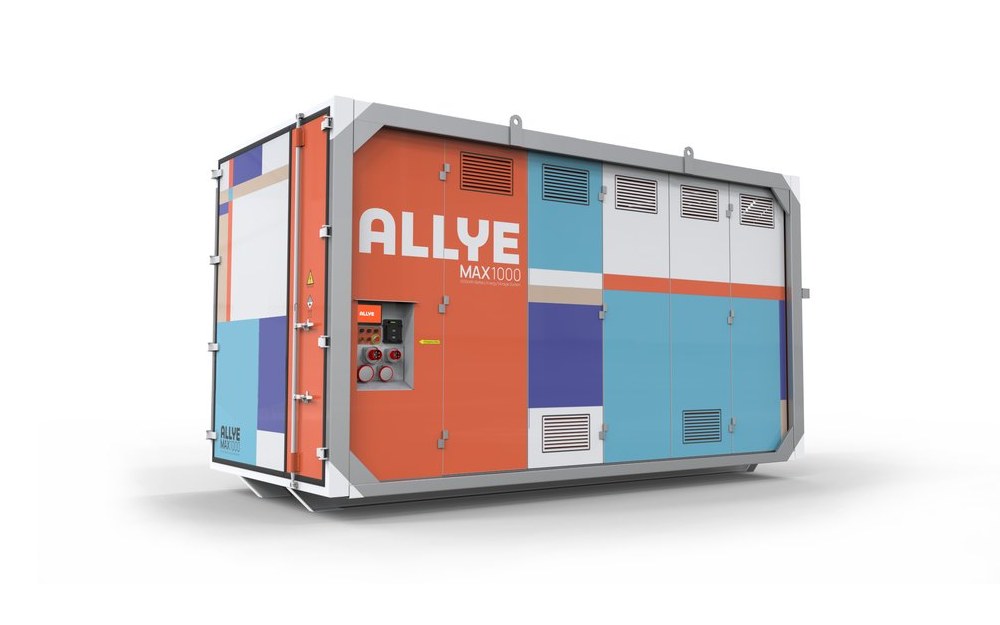
MAX1000
- Capacity
- 984kWh
- Continuous power
- 420 or
840kW - DC charging
- up to 1.28MW
Drop and Go from a hooklift truck in under two minutes.
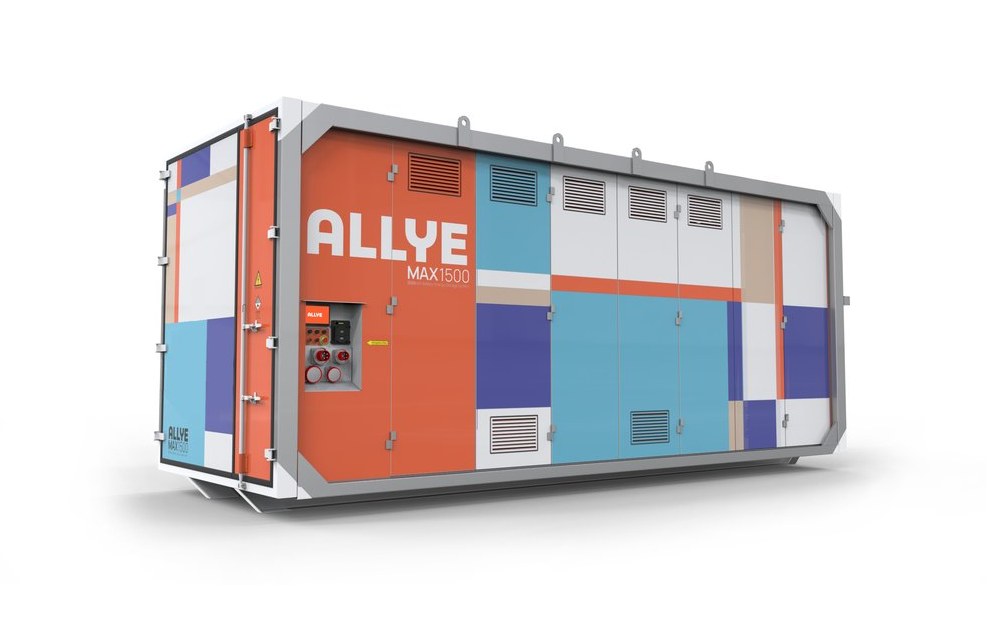
MAX1500
- Capacity
- 1,476kWh
- Continuous power
- 630 or
1,260kW - DC charging
- up to 1.28MW
Our highest power, Drop and Go in a 20ft footprint.
FAQ
Questions buyers ask
Can a battery keep homes powered during planned works?
Yes. In pilots with SSEN, MAX powered 40 homes from an 11kV transformer for 5 hours, 150kWh, in place of a diesel generator.
How is it deployed?
MAX1000 and MAX1500 drop from a hooklift truck in under two minutes; MAX300 tows on a standard licence for smaller jobs.
How does it recharge?
From the network before the work begins, then it redeploys to the next site.
Take diesel off your next job
Tell us the load and duration of your planned work. We'll size the system and show the cost and carbon saving.
- A free model for a planned outage
- A pilot on a live job
- The full MAX brochure and specifications
sales@allye.com+44 (0)20 805 06560