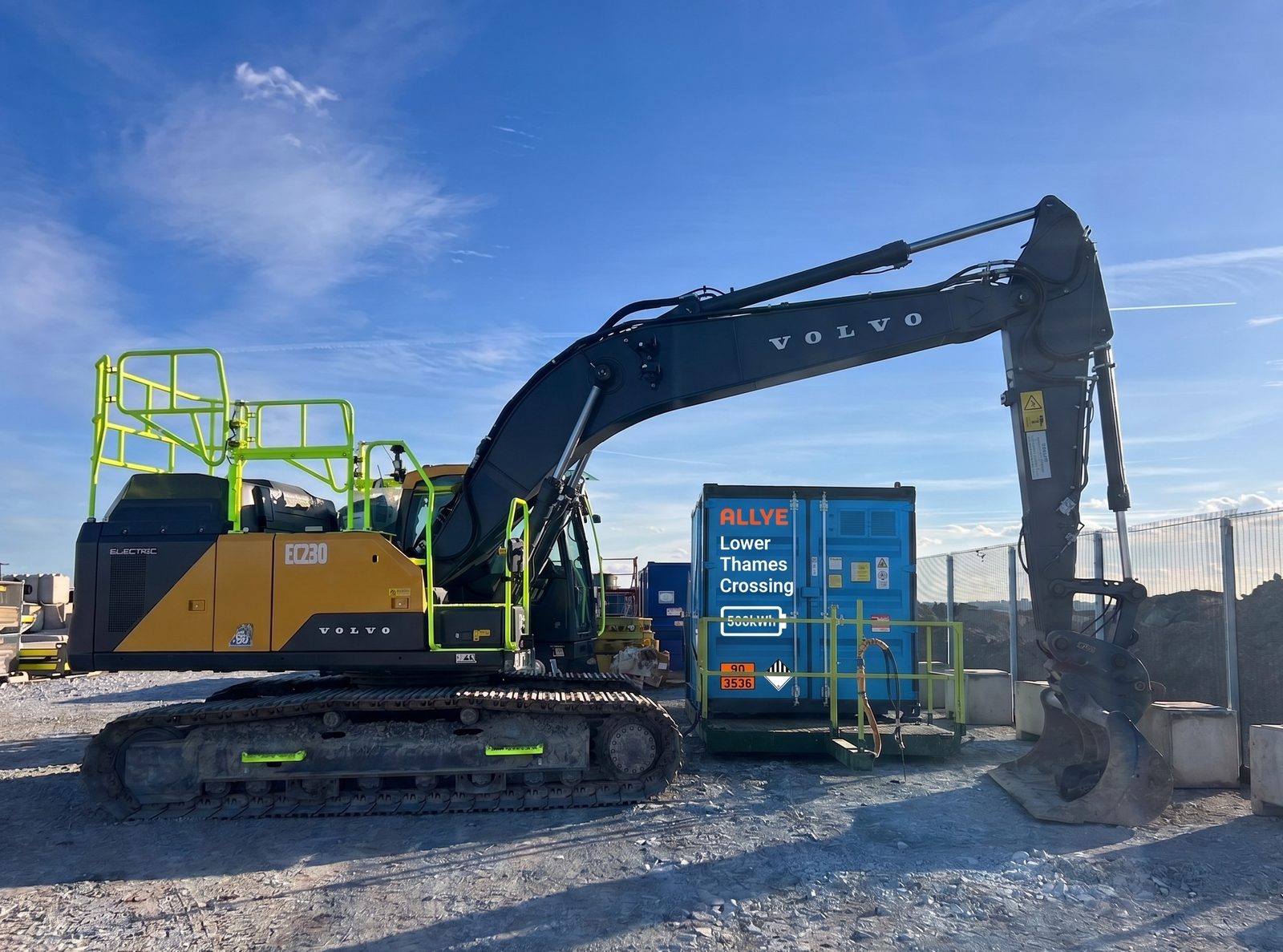

The grant buys the charger. Here is what powers it.
Round 2 of the Depot Charging Scheme is expected to open on 28 October. It part-funds chargers, but not the grid connection that runs them. At J&M Murdoch in Glasgow, a 32A supply now runs DC fast charging, and a £300,000 upgrade has been deferred.
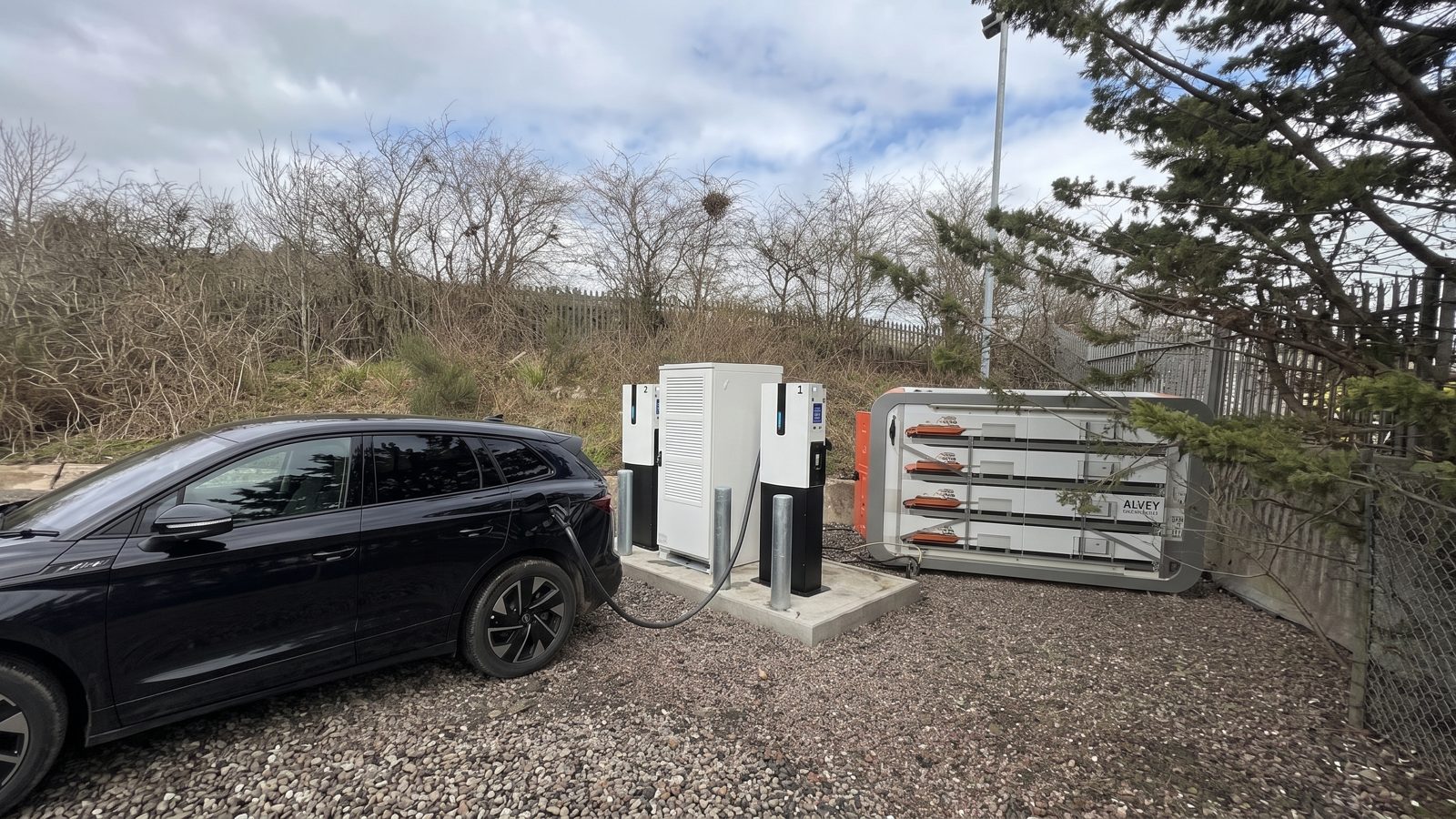
The Depot Charging Scheme pays for most of the chargers on a fleet depot. It pays nothing towards the power to run them. In Window 1 it covered 70% of chargepoint and civil costs, up to £1 million. Grid connection and reinforcement were not funded, and they are not funded now.
Grid capacity was named the biggest obstacle to fleet electrification by 47% of delegates polled at the Fleet Electrification Forum in July 2026. TwentyForty puts a new depot connection at 18 to 36 months. Round 2 is expected to close on 29 January 2027. There are two honest answers: pay for a bigger connection and wait, or store energy slowly from the supply the depot already has and release it fast when the vehicles come back.
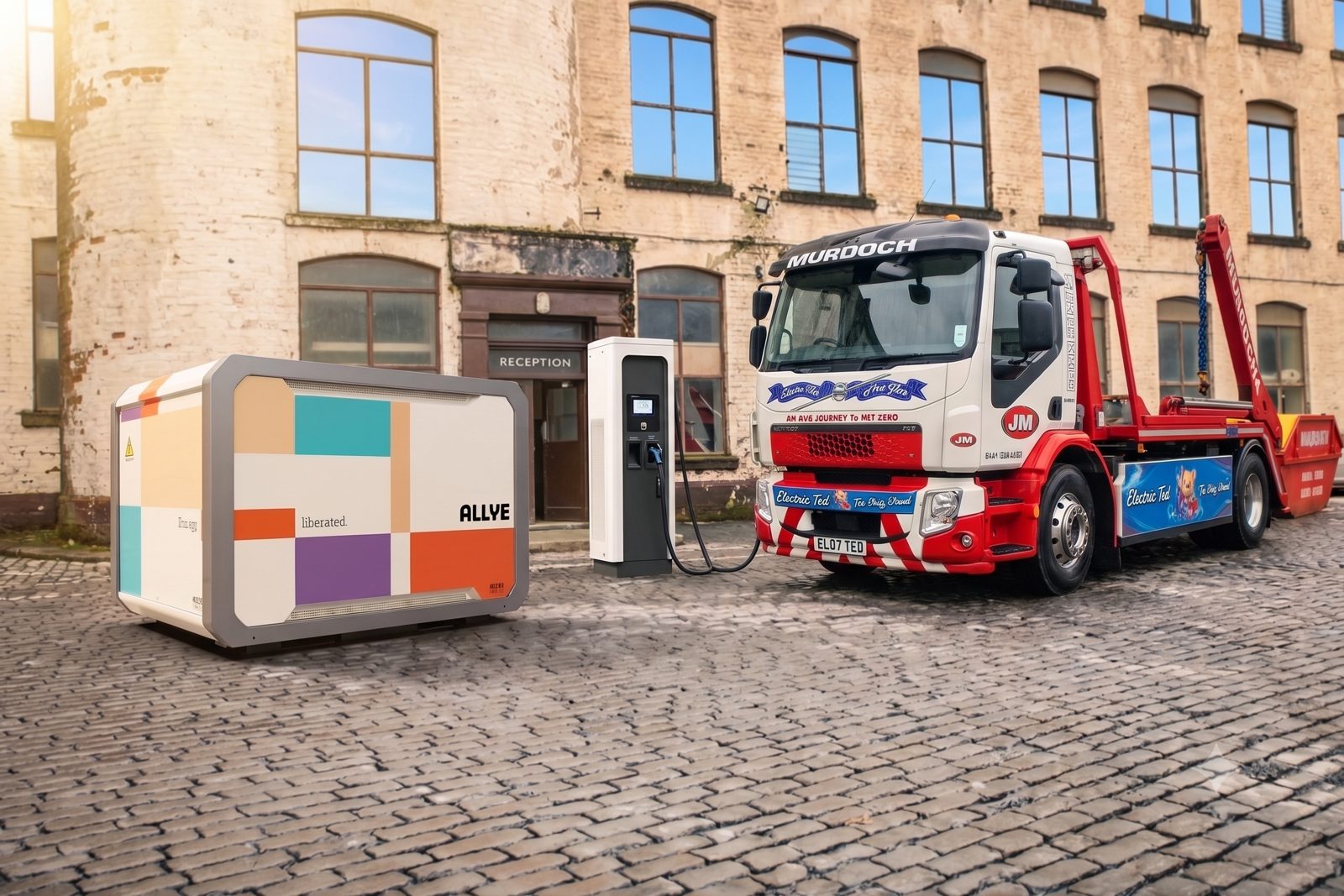
MAX does the second. It is battery storage with DC fast charging built in, recharging steadily from the existing supply and delivering that energy at high power when vehicles return. The entry MAX300 delivers up to 400kW DC. Each MAX is built in our London factory from repurposed electric vehicle batteries, and is available to buy or lease.
Proven at J&M Murdoch, Glasgow
J&M Murdoch runs a refuse and skip fleet from a depot in Glasgow. Its supply was 32A, and a grid upgrade to run DC fast chargers was quoted at £300,000. Working with our charging partner Chargepoly, and delivered within the Depot Charging Scheme's pre-phase, we installed an Allye MAX300 that stores energy from the existing supply and feeds a DC fast charger. The site was live in a day and has run since March 2026.
For fleet operators
If your depot has been quoted for a grid upgrade, that quote is the most useful document in your Round 2 bid. It tells us how much storage the site needs to run the chargers you apply for at full power, from the day they are installed.
For public sector fleets
Councils, police, fire, ambulance and NHS fleets mostly have the vehicles and the will. What stops them is a depot supply that cannot run DC chargers. Storage on the existing supply turns a stalled site into one that can go electric this year, and leasing keeps it off the capital budget.
For waste and refuse fleets
For refuse fleets, the second electric truck is usually harder than the first, because the depot supply was never sized for it. J&M Murdoch is a refuse and skip operator, and its depot shows the next vehicle does not have to wait for the grid.
For charging installers
Every installer has lost depot jobs at the same point: the capacity check returns a six-figure bill and a connection years away. With MAX on the existing supply, you install the chargers and win the job, and we provide the power. That is how the Murdoch site was delivered with Chargepoly.
The grant buys the charger. Storage buys the power to run it. On 28 October, the day Round 2 is expected to open, we launch a charger built for exactly this problem.
Sources: OZEV, Depot Charging Scheme guidance; Fleet Electrification Forum delegate poll, July 2026; TwentyForty, 12 Pillars of Change: Power In, 2026.