

Most site generators idle for hours, sized for a peak that lasts minutes.
Replace diesel on site.
MAX carries the load quietly, with zero local emissions. The generator runs only when it must, or not at all.
The problem
Generators cost more than the fuel.
A generator sized for the peak runs mostly idle, burning fuel, needing service every few hundred hours and filling the site with noise and fumes.
Of production generators are larger than the load they serve.
Of fuel a week for one tower crane generator, before MAX at Horizon Plant.
Between services for a generator running at low load, adding cost and downtime.
Of CO2e a year from one diesel generator on network works, projected from our SSEN pilots.
How MAX replaces diesel
Three ways to run.
Fully electric
MAX powers the site and recharges from a public or depot DC charger, or from another MAX. Zero diesel.
Hybrid
A smaller generator starts only to recharge MAX, at its most efficient load. Fuel, run hours and servicing fall sharply.
Buffered supply
Where there is a small grid supply, MAX boosts it to carry loads well beyond the connection limit.
Save over £30k a week
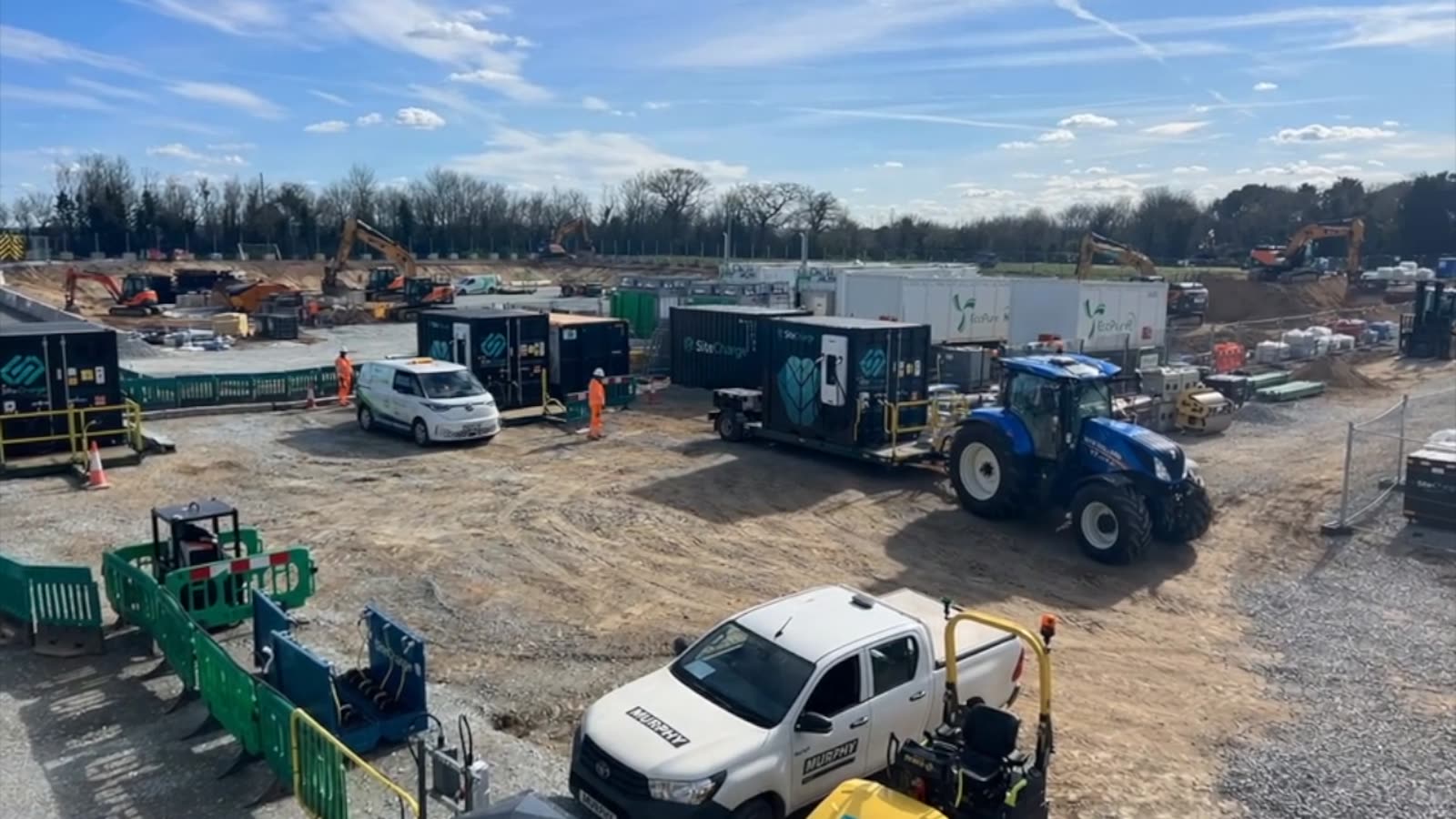
at the Lower Thames Crossing, where four MAX500s charge electric excavators with no grid connection.
| Fully electricLower Thames Crossing, four MAX500s off-grid | >£30k/week |
| Buffered supplyCollins Earthworks, charging trucks from 125A | £2,500/week |
| HybridHorizon Plant, with tower crane generators | £1,500/week |
Sources: Allye case studies (Lower Thames Crossing, Collins Earthworks, Horizon Plant).
Why MAX
Made to take diesel off site
Near-silent
59dB with zero local emissions, for city centres, night work and near neighbours.
Tow, lift or drop
MAX300 tows under 3.5t on a standard licence; MAX1000 and MAX1500 drop in minutes.
Transport made simple
Classified UN3536: users display a plate and Class 9 label, with no wider ADR obligations.
Recharge without diesel
Top up from any DC fast charger or another MAX, or a generator at efficient load.
Charges your electric plant
Integrated DC charging, up to 1.28MW, for vans, trucks and electric machinery.
Safe and supported
CE and UKCA marked, every cell monitored 24/7, supported by the UK engineers who built it.
Proven
Real sites, real fuel saved.
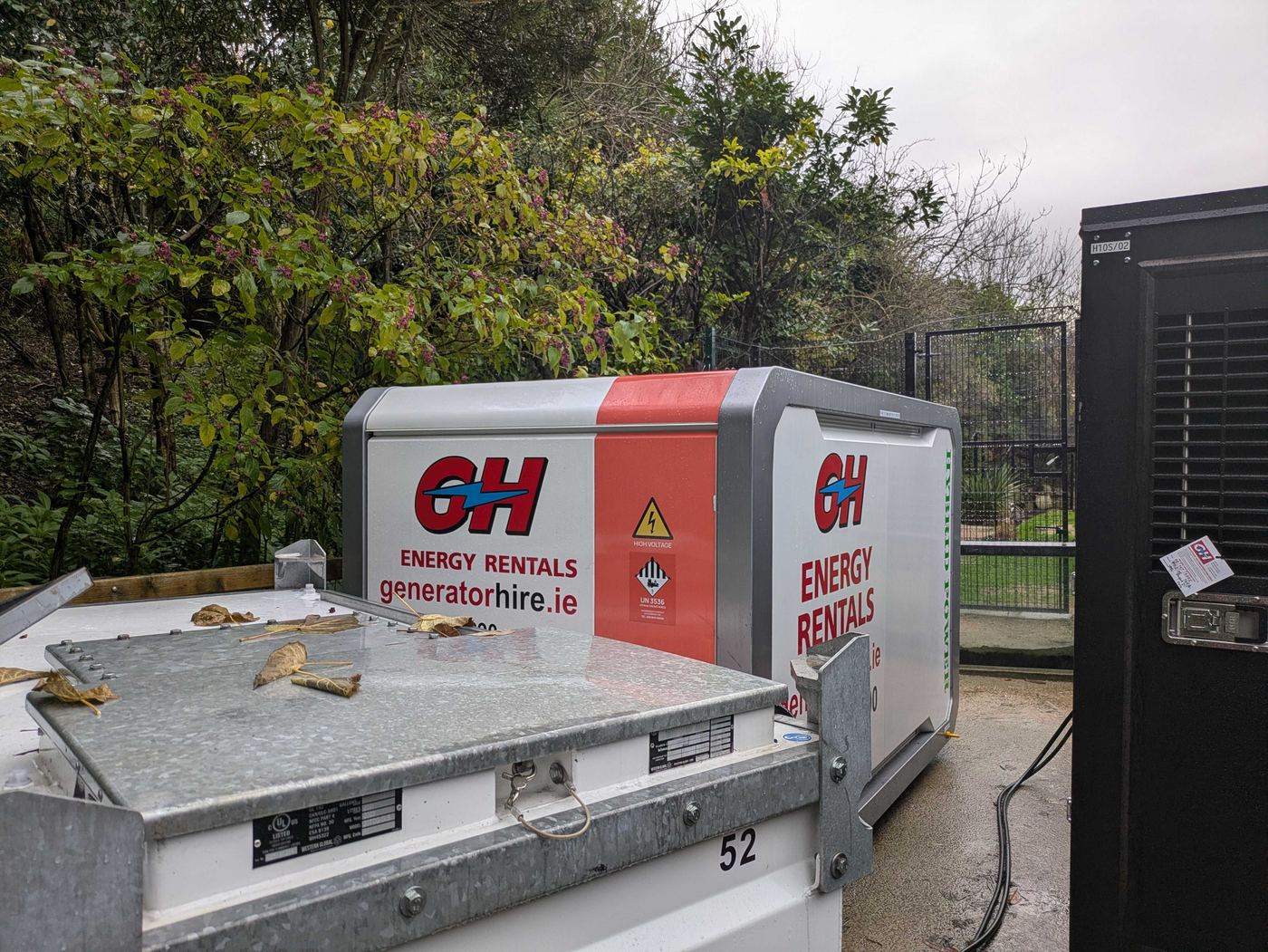
Horizon Plant
70% less fuel£1,500 a week saved per tower crane
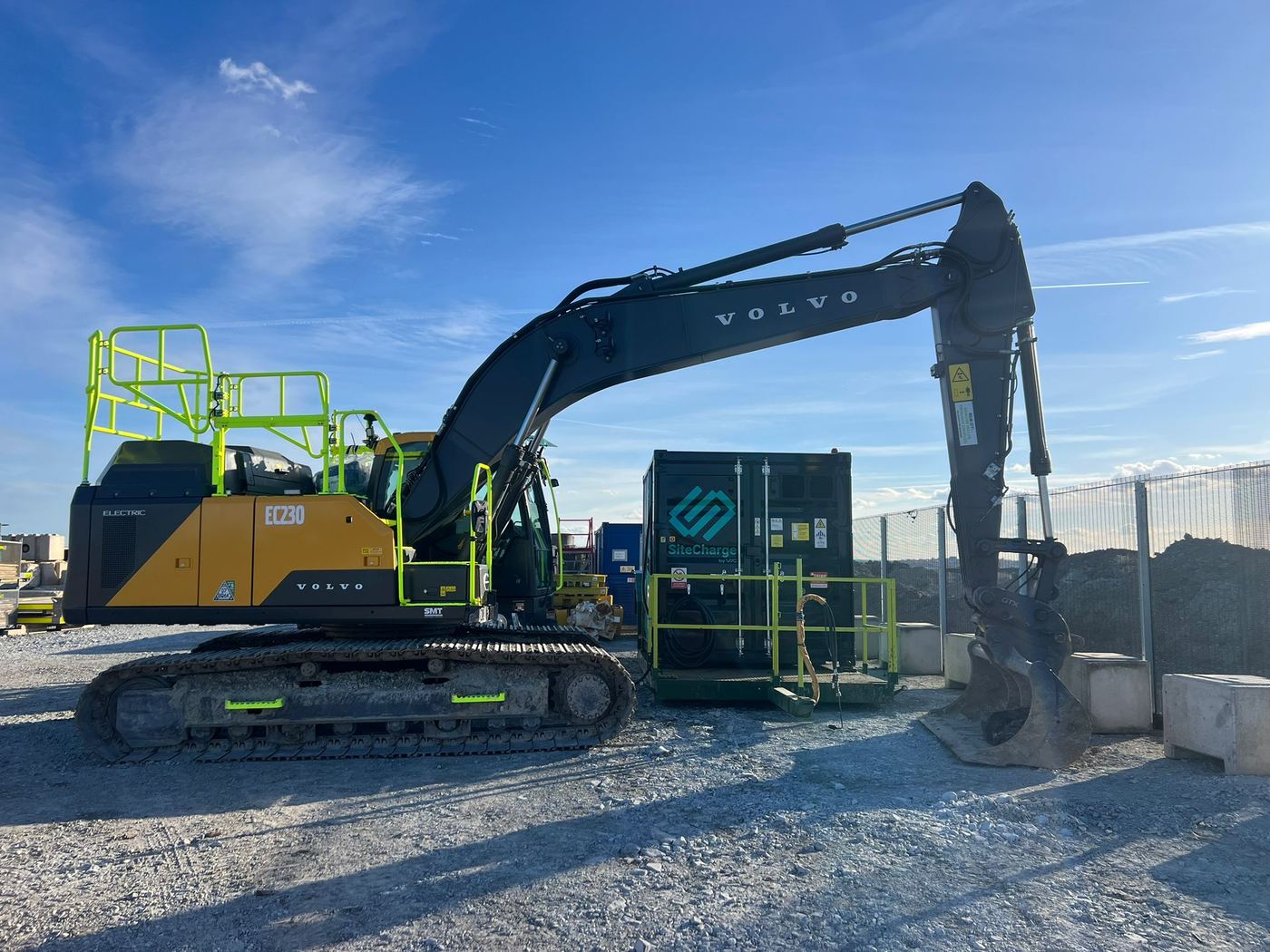
Lower Thames Crossing
>£30k a weeksaved in diesel and generator costs
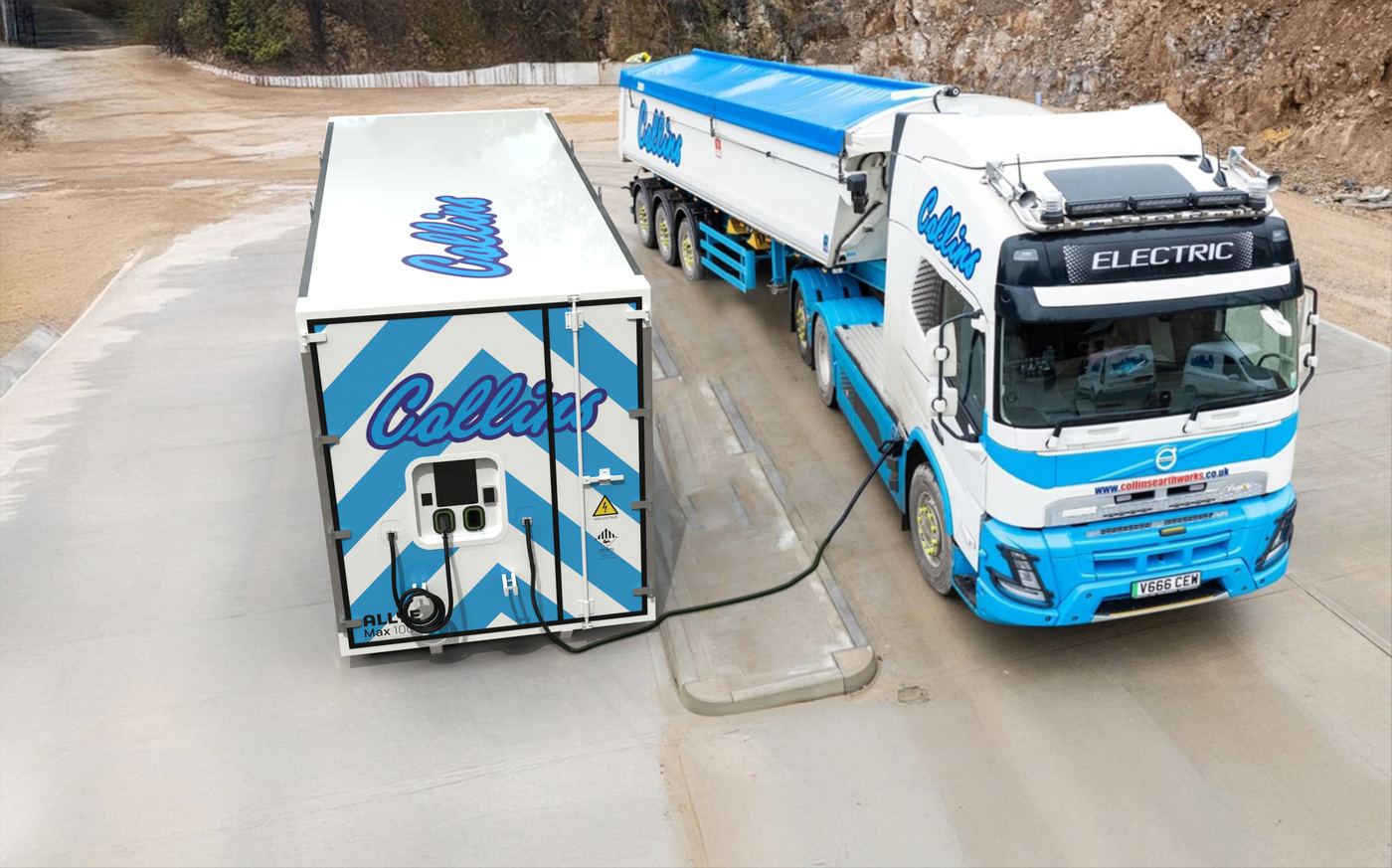
Collins Earthworks
£2,500 a weeksaved in diesel on electric trucks
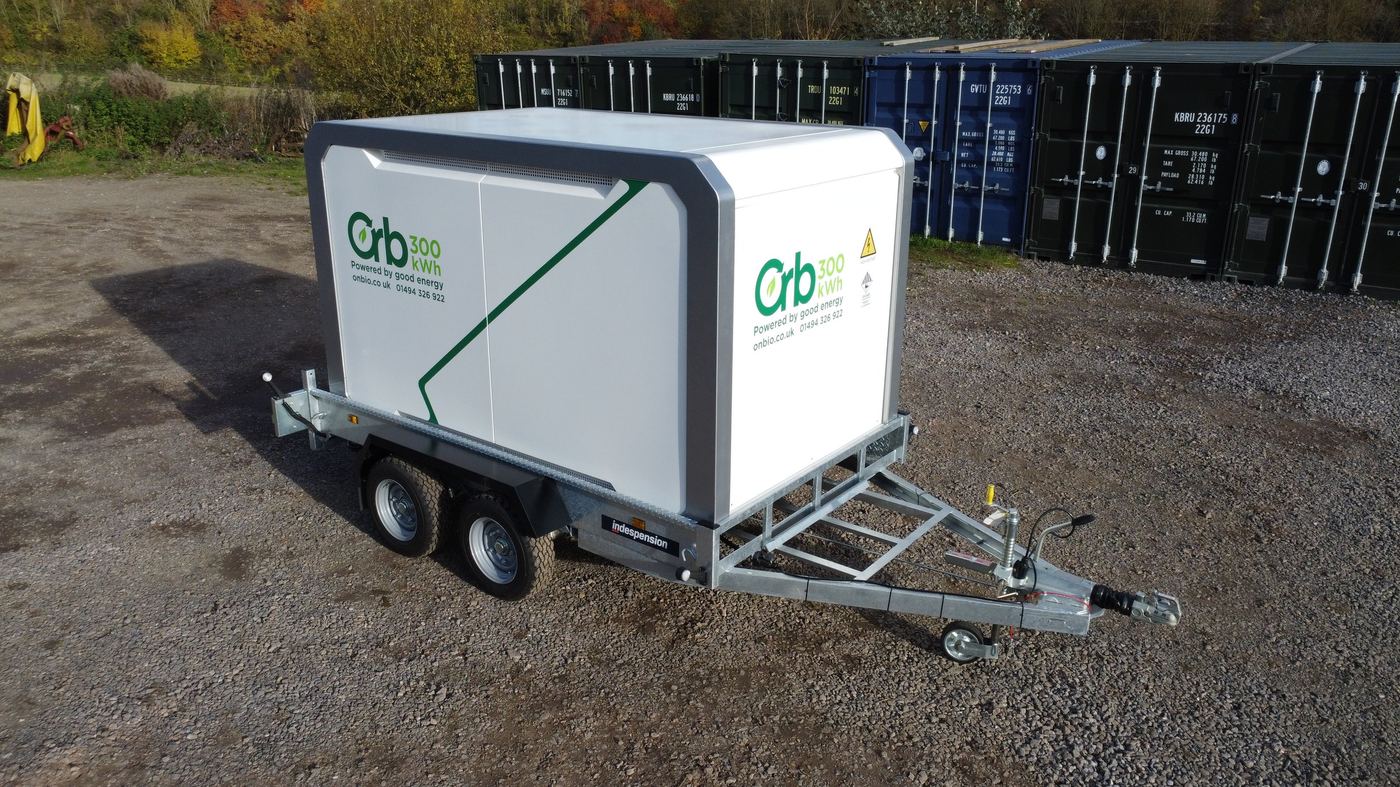
OnBio
£1,000 a weeksaved on power on set and location
By sector: Construction · Film, TV and events · Power rental · Network operators
Which fits
The MAX for this job
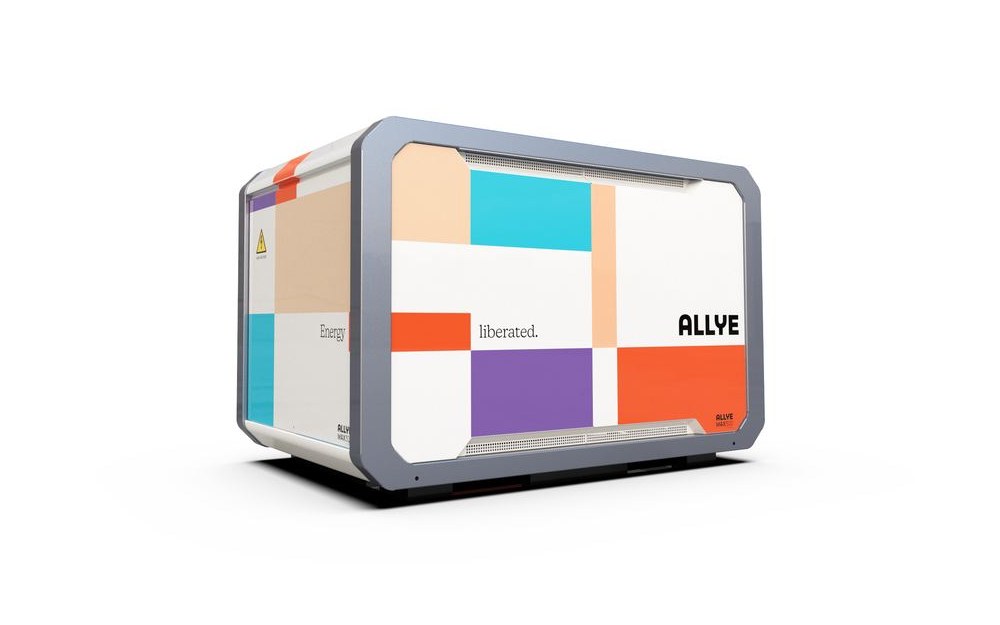
MAX300
- Capacity
- 328kWh
- Continuous power
- 88, 140 or 280kW
- DC charging
- up to 400kW
Under 3.5t on its trailer, towed on a standard licence.
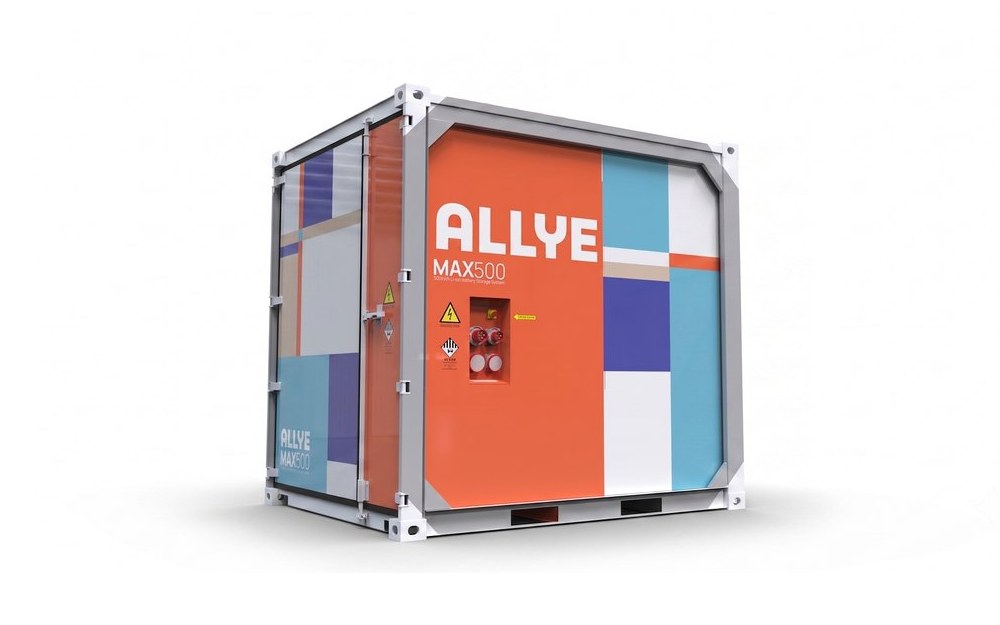
MAX500
- Capacity
- 492kWh
- Continuous power
- 210 or 420kW
- DC charging
- up to 480kW
Compact 10ft footprint, lifted into place on any site.
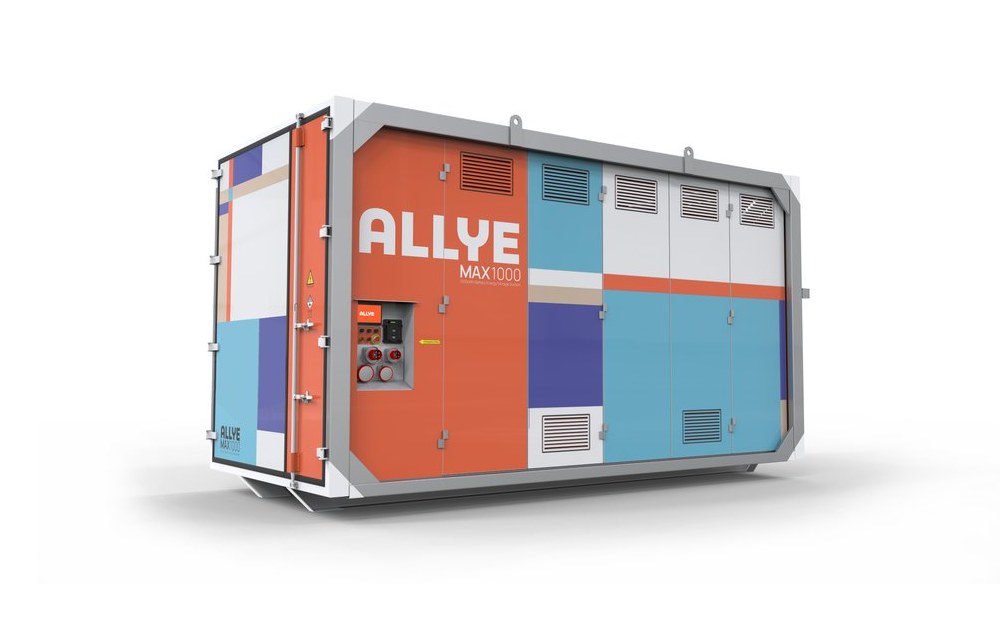
MAX1000
- Capacity
- 984kWh
- Continuous power
- 420 or 840kW
- DC charging
- up to 1.28MW
Drop and Go from a hooklift truck in under two minutes.
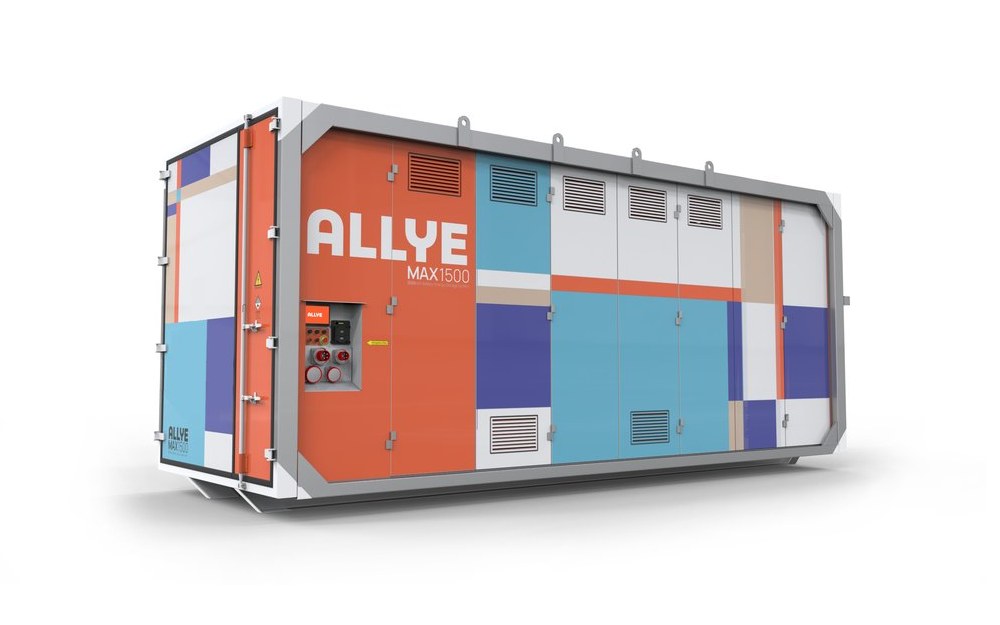
MAX1500
- Capacity
- 1,476kWh
- Continuous power
- 630 or 1,260kW
- DC charging
- up to 1.28MW
Our highest power, Drop and Go in a 20ft footprint.
FAQ
Questions buyers ask
Can a battery really replace a diesel generator on site?
For most of the day, yes. Site loads peak briefly and idle for hours, so a generator sized for the peak burns fuel doing very little. MAX carries the load and the peaks, and either recharges from a DC charger or another MAX, or runs hybrid with a smaller generator that starts only to recharge.
How much fuel does it save?
Horizon Plant cut tower-crane fuel by 70%, saving £1,500 a week per crane. McAlpine saw 85% less fuel. At the Lower Thames Crossing, four MAX500s charge electric excavators with no grid connection, saving over £30k a week in diesel and generator costs.
What if there is no grid on site at all?
MAX works fully off-grid. It recharges from any public or depot DC charger, from another MAX, or from a generator running at its most efficient load.
Take diesel off your next job.
Tell us your loads, run hours and fuel use, and we'll model the fuel, cost and CO2 saving.
sales@allye.com+44 (0)20 805 06560