
An electric crane still needs a plug
Hirers have bought electric cranes this year. Most new sites can't plug them in. Here is how to keep them zero emission anyway.
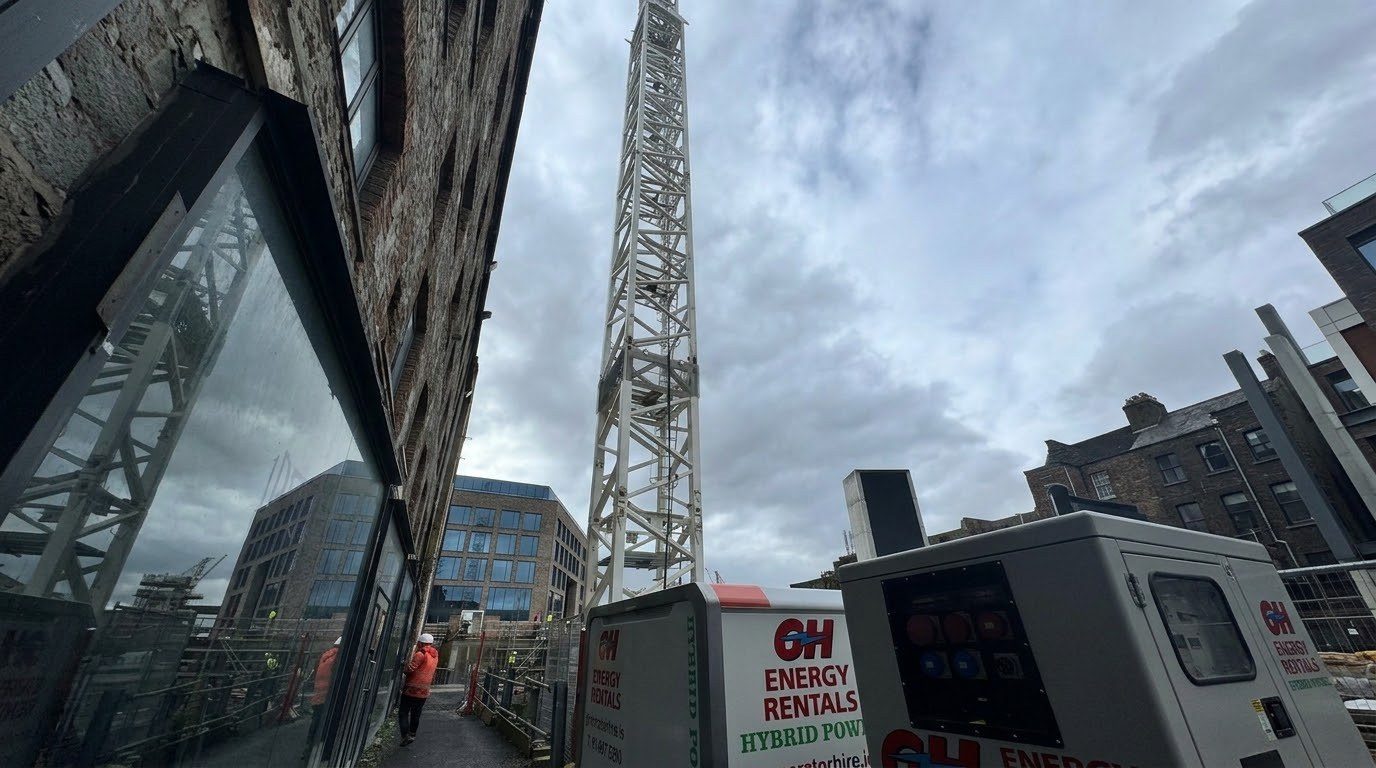
The crane fleet is going electric. Self-erecting eLift cranes run from a 16 to 32A supply, tower cranes have always been electrically driven, and hybrid mobile cranes can now move on battery. The weak point is the same in every case: the site supply. On an early-stage site there usually isn't one, so the generator or the onboard diesel ends up doing the work.
Battery first, generator last
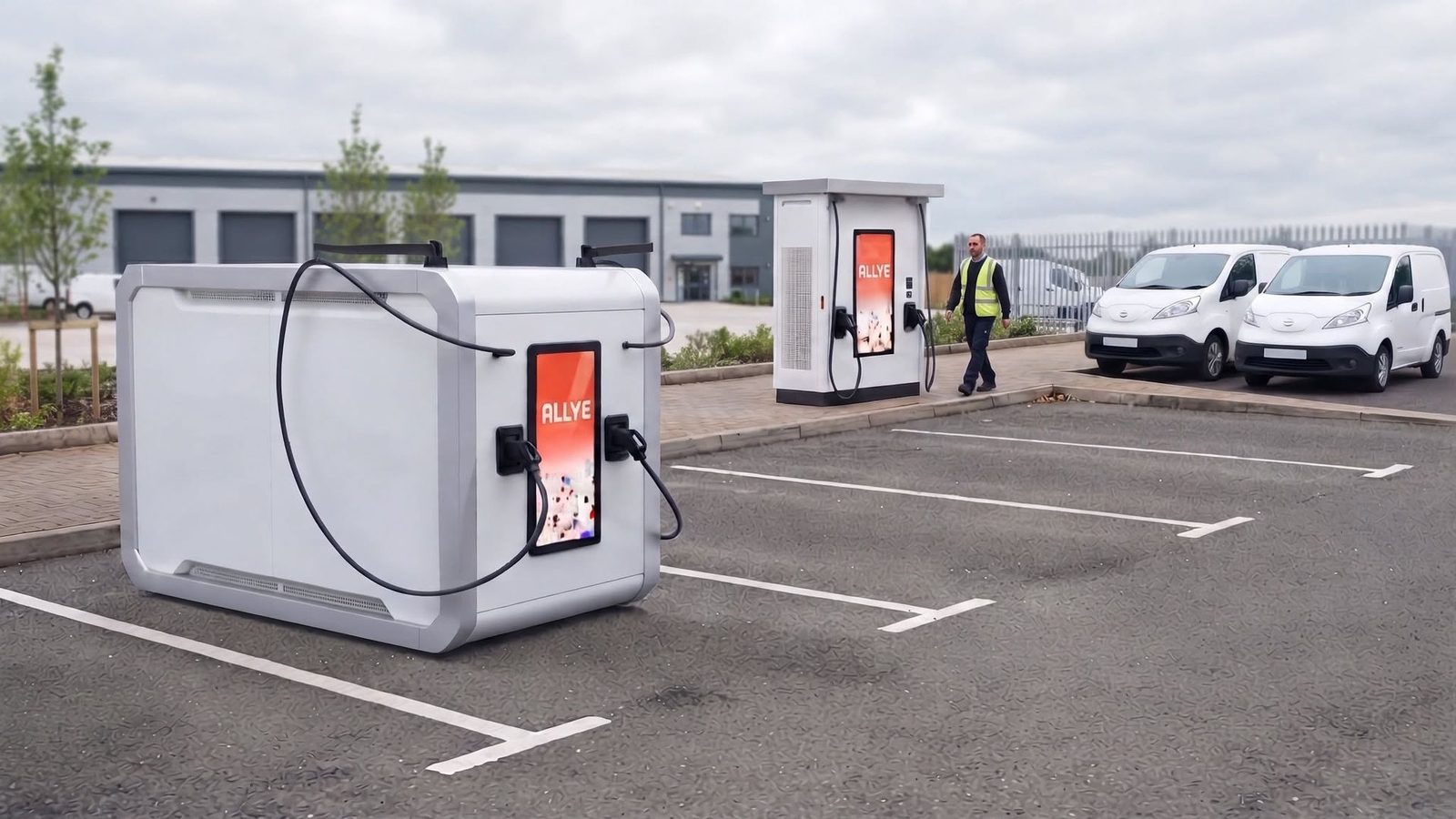
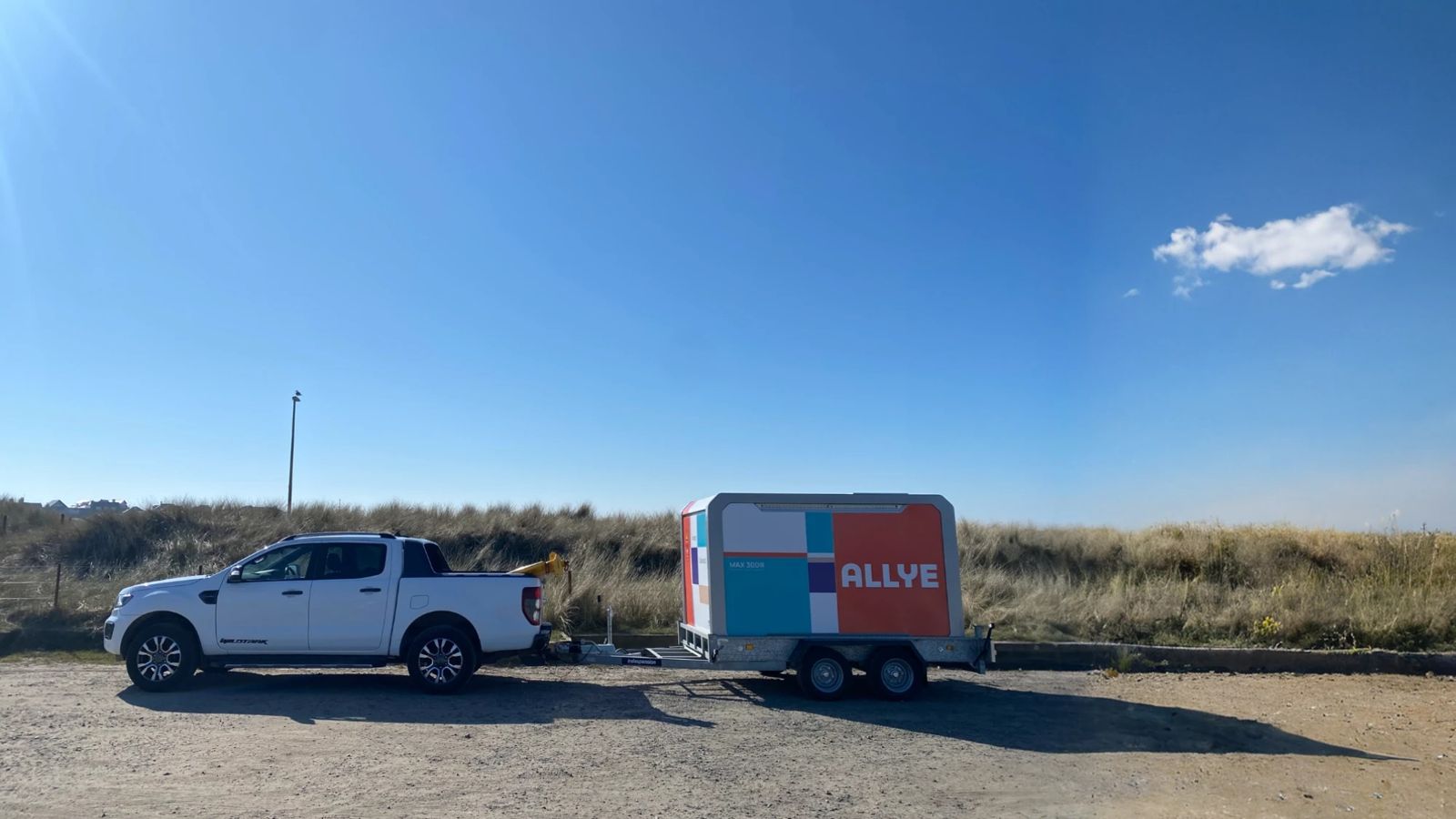
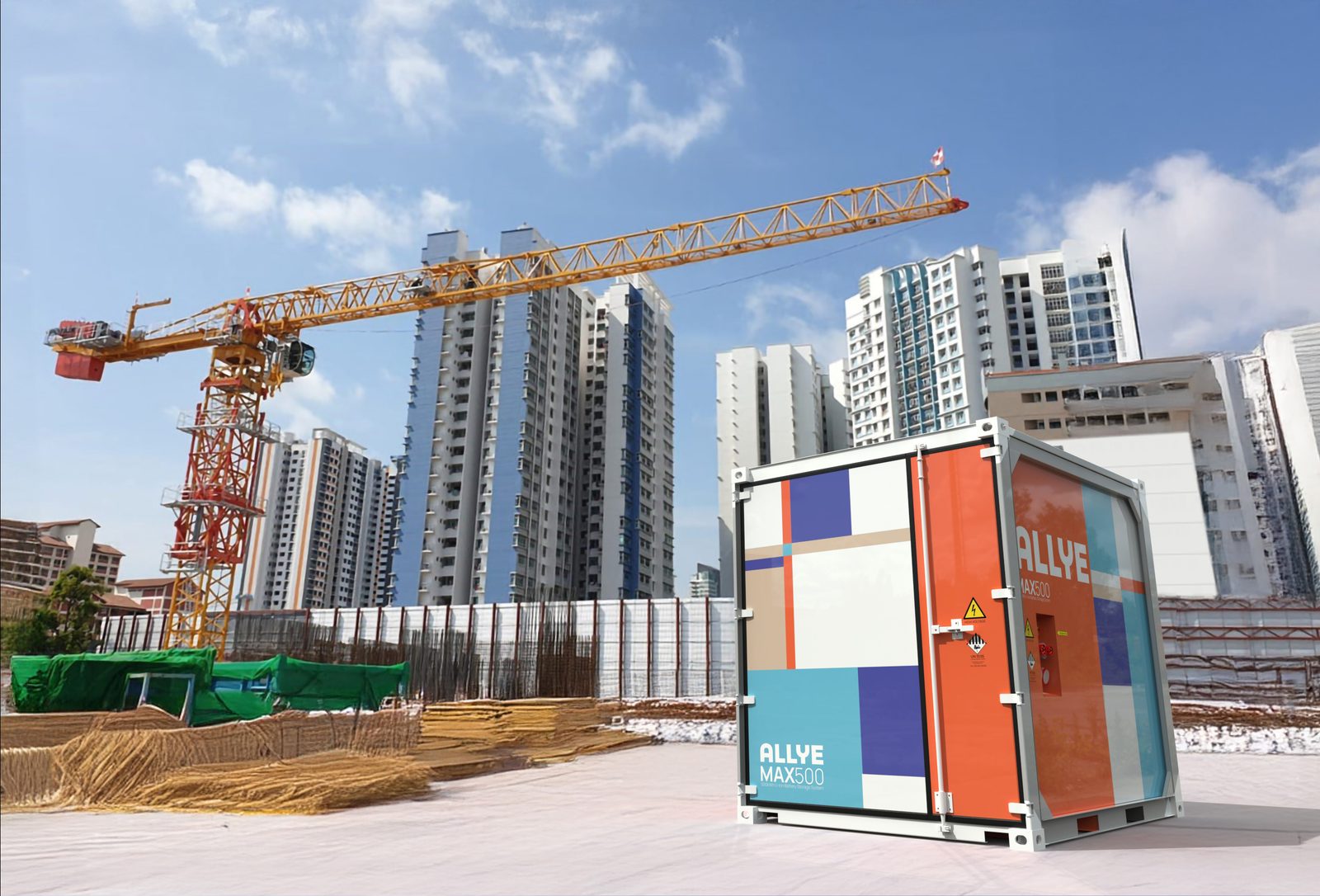
MAX sits beside the crane and supplies it from stored energy, topping up from a limited site supply or a small generator. Where a generator is still needed for peaks, MAX runs in hybrid with it, so the generator runs for minutes instead of the whole shift.
Proven with tower cranes in Ireland
At Horizon Plant in Ireland, MAX runs in hybrid with the generators that power tower cranes. Fuel use is down 70%, saving £1,500 a week. The crane works as normal; the operator sees no difference except the silence.
One unit, the whole compound
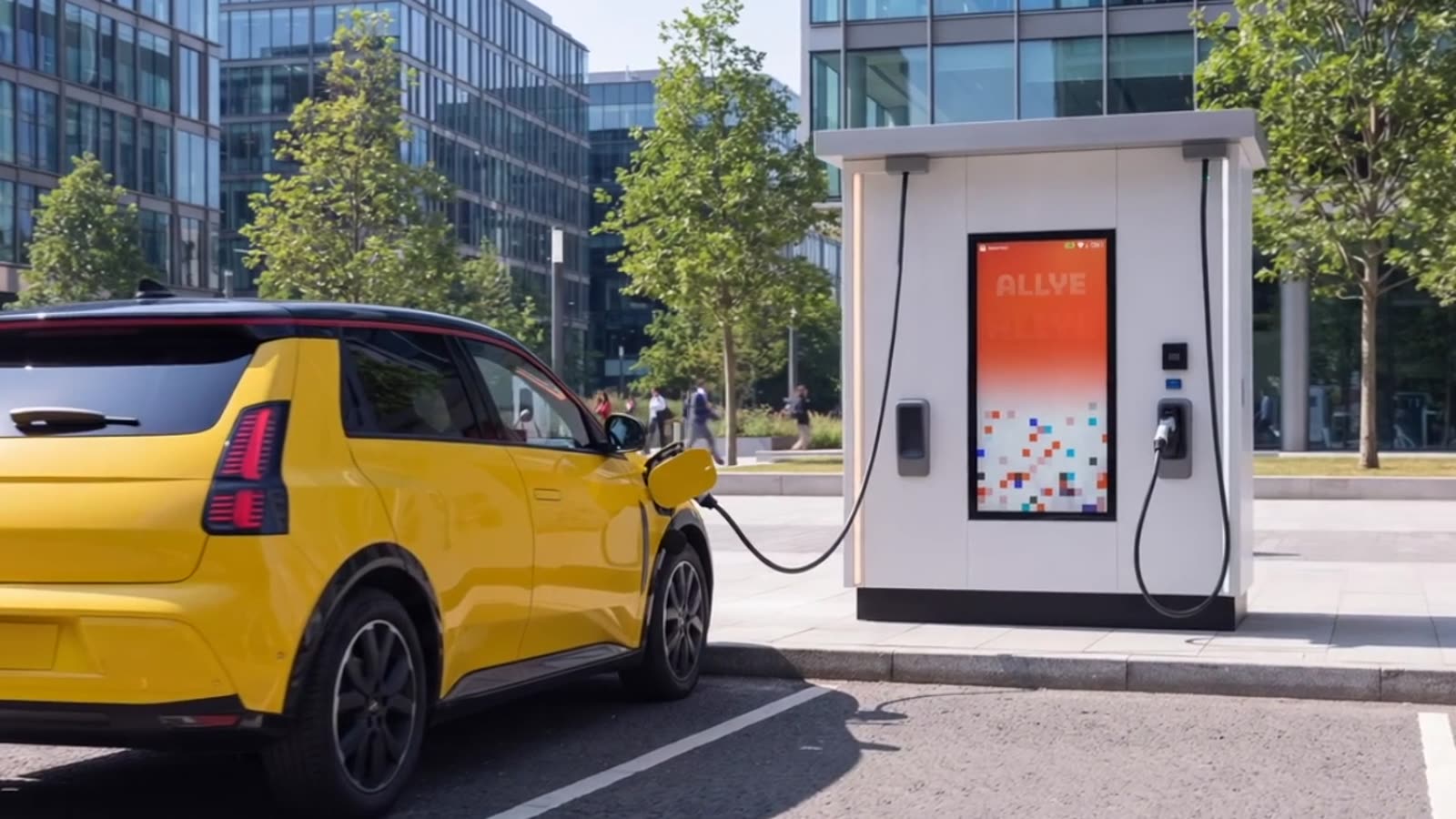
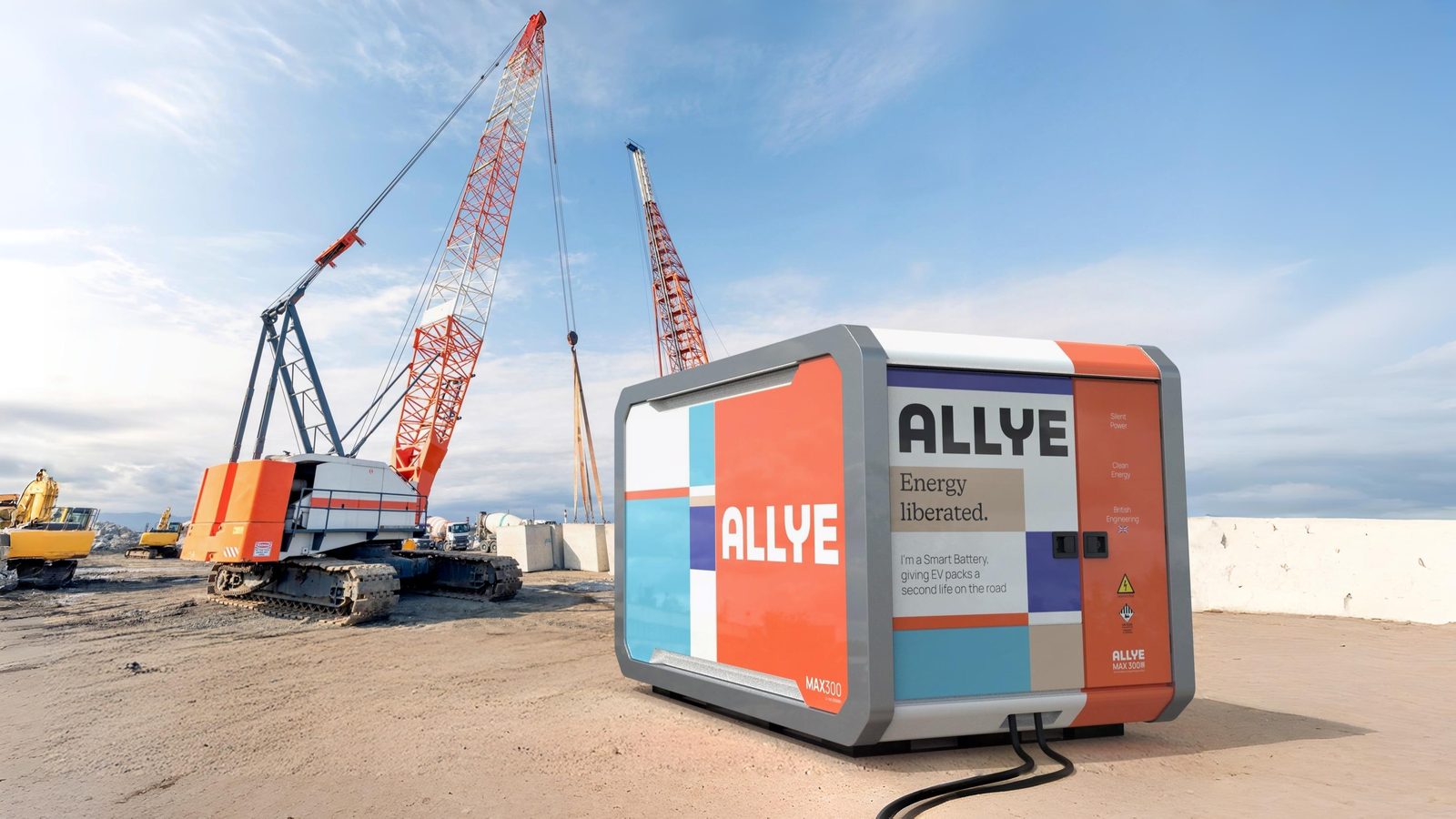
The same MAX that supports the crane can charge the site's electric excavators and dumpers and run the welfare cabins. On the Lower Thames Crossing, four MAX500s have charged electric excavators for the Bouygues Murphy JV since January 2026: 897 sessions and 126MWh to the end of September.
Before you specify
Every crane has its own supply requirement. Send us the crane model, duty cycle and the site's existing supply, and we will confirm the right MAX and whether it runs alone or in hybrid.
If the crane is electric and the power is diesel, the site isn't. Book a 20-minute call to size MAX for your crane.