
Why we built MEV
MEV started with a £300,000 grid quote at a refuse depot in Glasgow. A MAX300 deferred that upgrade in a day. MEV turns what we learned there into a dedicated charger: up to 400kW for two vehicles at once, from the supply a depot already has.

It started with a £300,000 quote
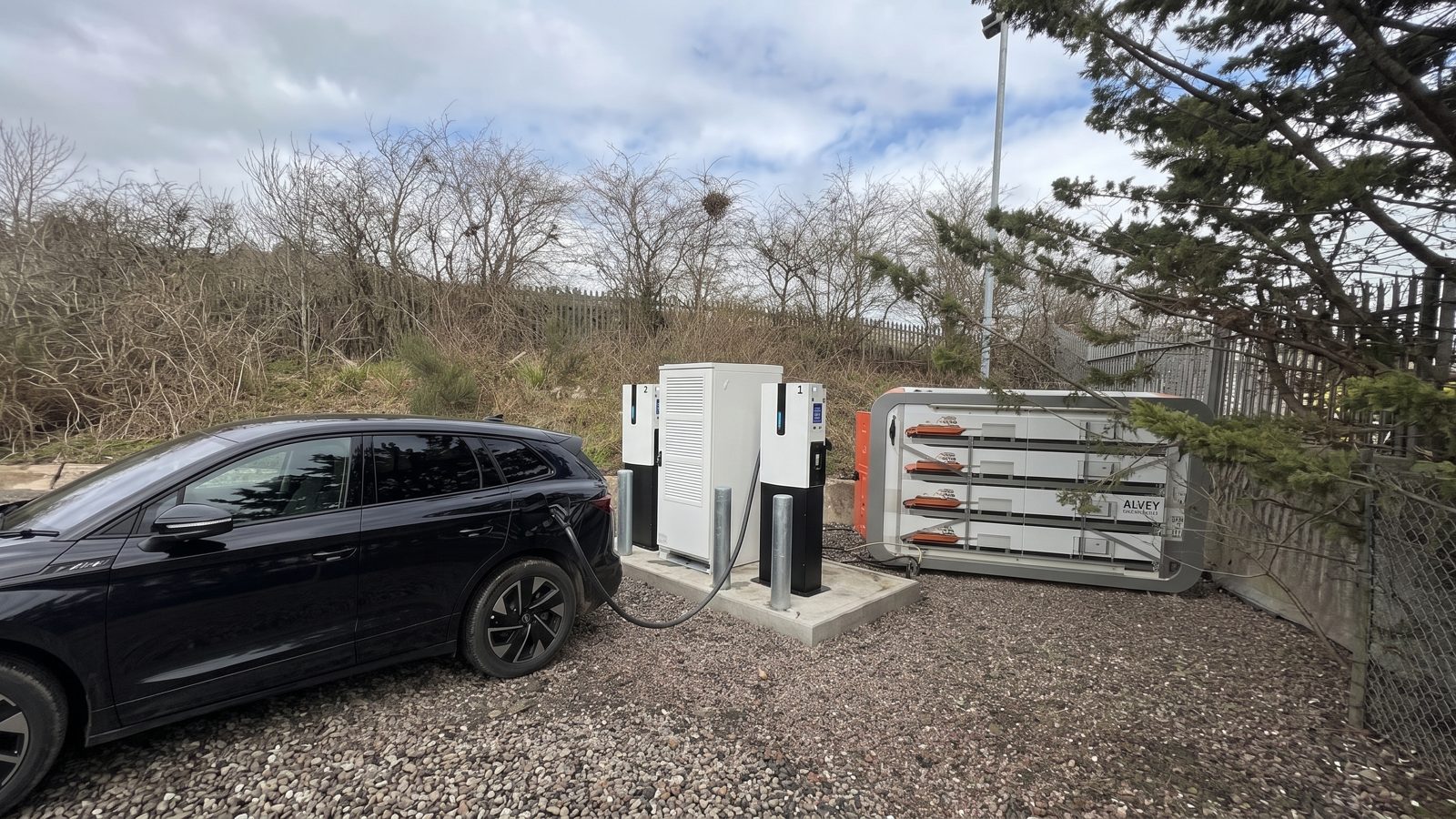
J&M Murdoch runs a refuse and skip fleet from a depot in Glasgow. The depot had a 32A supply, about 22kW. To run DC fast chargers it needed more, and the grid upgrade was quoted at £300,000.
With our charging partner Chargepoly, and within the Depot Charging Scheme's pre-phase, we installed a MAX300 instead. Within a single day it was storing energy from the existing supply and feeding a DC fast charger. It has run since March 2026, supporting two electric vehicles and supplying around 200kWh a day. The upgrade has been deferred.
Short of power, not energy
Murdoch is not unusual. Grid capacity was named the biggest single barrier to fleet electrification by 47% of delegates polled at the Fleet Electrification Forum in July 2026. TwentyForty puts a new depot connection at 18 to 36 months.
Yet most depots are not short of energy. Vehicles stand for hours between shifts, and a modest supply running all night delivers a lot of it. What they lack is the power to deliver that energy quickly when the vehicles come back. A battery fixes that: it fills slowly from the supply you have and empties fast into the vehicles.
What the MAX300 taught us
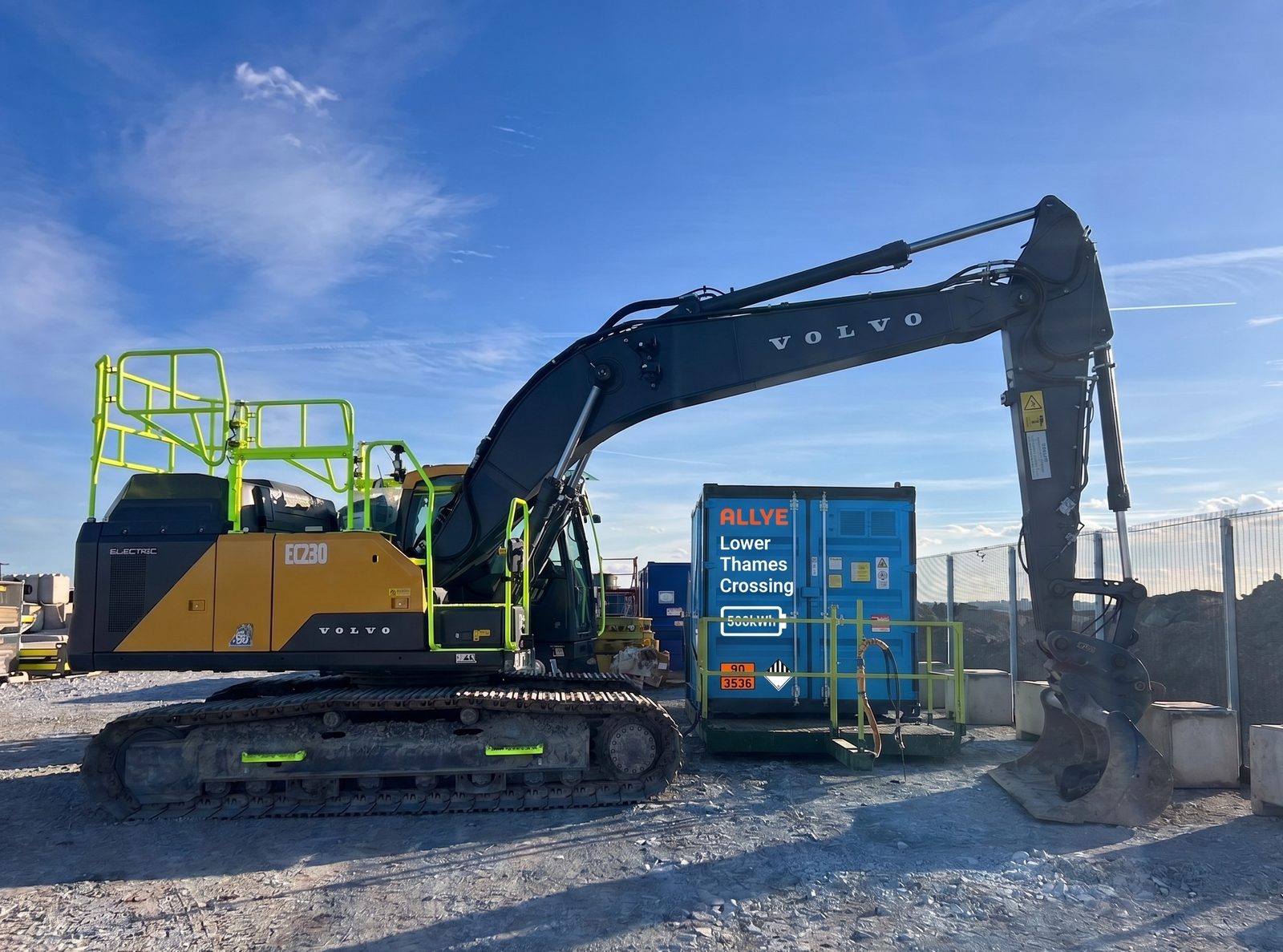
The MAX300 is a mobile, multi-purpose system. It powers sites, replaces diesel generators, feeds rows of chargers and, with integrated DC fast charging, charges vehicles directly. More than 20 MAX systems are now in service, built from over 100 repurposed EV batteries, and 60% of our customers have come back for more.
Murdoch showed us something specific. Many depots do not need energy that moves. They need a charger that stays put, charges vehicles and does nothing else, on the supply already there. Asking a mobile, multi-purpose system to do that one job means paying for flexibility the depot never uses. So we built a cabinet that only ever charges.
One system from packs of different ages
Every MEV is built in our London factory from whole repurposed EV battery packs. Reusing them avoids an estimated 15 to 24 tonnes of CO2e per MEV compared with new cells.
The difficulty with reused packs is that no two are the same. Our PackFlex technology gives each pack its own battery management and power control, so packs of different sizes, ages and chemistries share a cabinet and work as one system. Each pack sits on its own slide-out carrier, so one can be serviced while the others keep charging. An 800V architecture serves both 400V and 800V vehicles, and capacity and power can be upgraded on site.

Who MEV is for
MEV is for depots and fleet bases where the charger stays put. The MEV200 suits vans, cars and pool vehicles that return to base, on a supply of 32A three-phase or less. The MEV300 suits busier depots, larger vans and trucks, and sites with 63A or more. On a 63A supply over an eight-hour day, one MEV is designed to serve 7 to 10 vehicles at 55 to 70kWh each.
If the energy needs to move, towed behind a van, powering a site or feeding a row of chargers, that is the MAX300. We have built two ranges, not two versions of the same thing, and many fleets will use both.
What it costs, and what it saves
MEV is planned from £70,000 ex VAT, or as a service from £1,900 a month, one inclusive fee with no capital cost. Deliveries start in Q2 2027.
A battery-buffered charger can cost more to buy than a conventional one, but it costs less to own. Because it draws a smaller supply, a depot avoids the capacity charges of a bigger connection: about £8,900 a year for an extra 200kVA on National Grid Electricity Distribution's 2026/27 South West tariff. MEV recharges off-peak and charges vehicles from its own battery in the weekday evening peak, when network charges are more than 100 times higher. On these figures, a MEV200 is designed to recover its premium over a conventional 200kW charger in two to three years, and to save £50,000 to £110,000 over ten years, before any grid upgrade avoided.
If your depot has been quoted for a grid upgrade, send me the quote. We will size the MEV or MAX that runs your chargers on the supply you already have, and show you what you save.
All MEV performance, energy, carbon and price figures are design targets ahead of certification. Prices exclude VAT. Lifetime figures compare a MEV200 with a conventional 200kW charger over ten years, net of round-trip losses and a mid-life pack refresh, and exclude energy costs common to both. Sources: Fleet Electrification Forum delegate poll, July 2026; TwentyForty, 12 Pillars of Change: Power In, 2026; National Grid Electricity Distribution (South West) DUoS charging statement 2026/27.