
Depot Charging Scheme Round 2: two ways round the grid
Round 2 of the Depot Charging Scheme is open: £38m, 60% of charger and civil works costs, up to £1m per organisation, closing at midday on 26 February 2027. The grant does not pay for a grid connection. A battery lets a depot charge from the supply it already has, and ours start at £70,000.
What Round 2 offers
Round 2 opened at midday on 11 November 2026. There is £38m available. The grant pays 60% of eligible chargepoint and civil works costs, up to £1m per organisation across all its sites. Applications close at midday on 26 February 2027, and projects must be completed by 31 March 2028. WSP is the Department for Transport's technical partner for applicants.
What the grant does not cover
Grid connection costs are excluded, and for many depots that is the real constraint. Charge every vehicle at once and the site needs a bigger connection, which can take months or years to arrive and costs more every day it is in place.
Since 2022, connections have been billed on how much power a site could draw, not on what it uses. Reverse the Charge, published this month by The Fast Charge and Zest, puts the fixed grid charges on a single public rapid charger at £440 a week in 2026, up 616% since 2021, and £77 a day on 2027 tariffs. Depots are billed on the same principle.
Two ways round it
A battery fills steadily from the supply you already have and delivers rapid power when vehicles return. You size the connection to your average demand, not your peak.
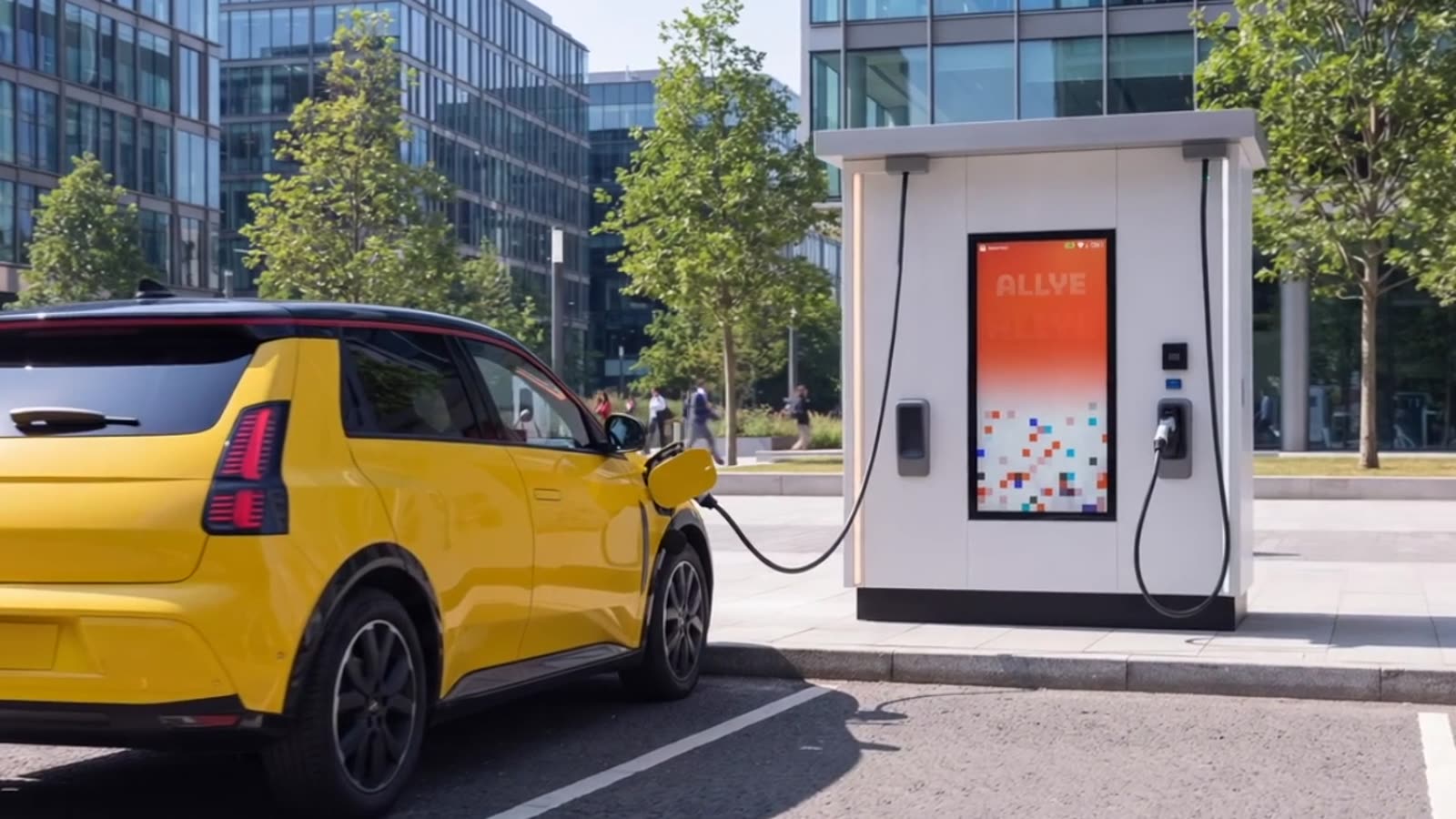
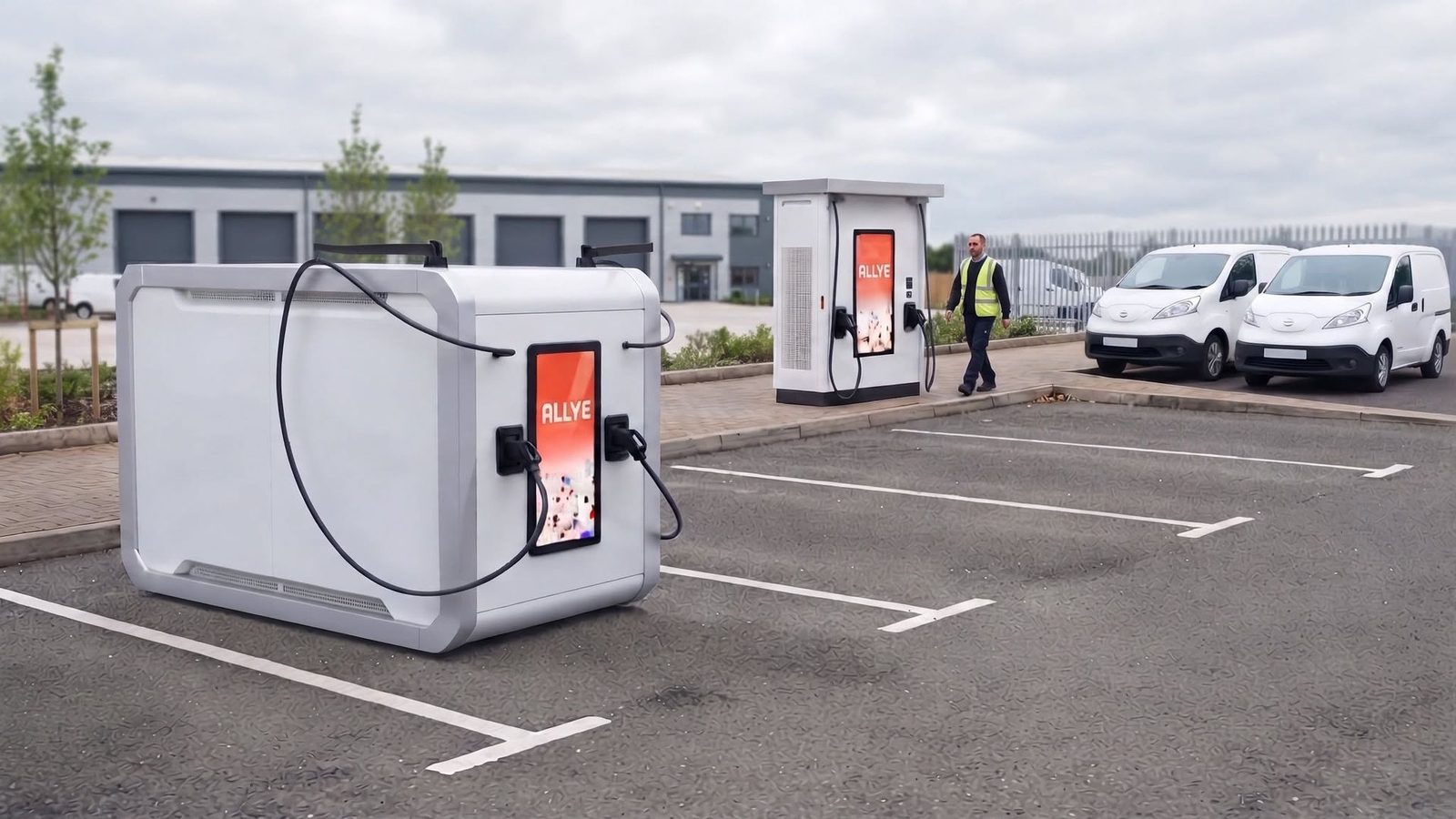
MEV, for vans and cars. A rapid DC charger with its own battery, fixed at the depot. The MEV200 delivers 200kW from £70,000 and the MEV300 300kW from £94,000, with up to 400kW across the range. It runs from a supply as small as 16A single-phase. Other battery chargers cost twice as much for less power and capacity.
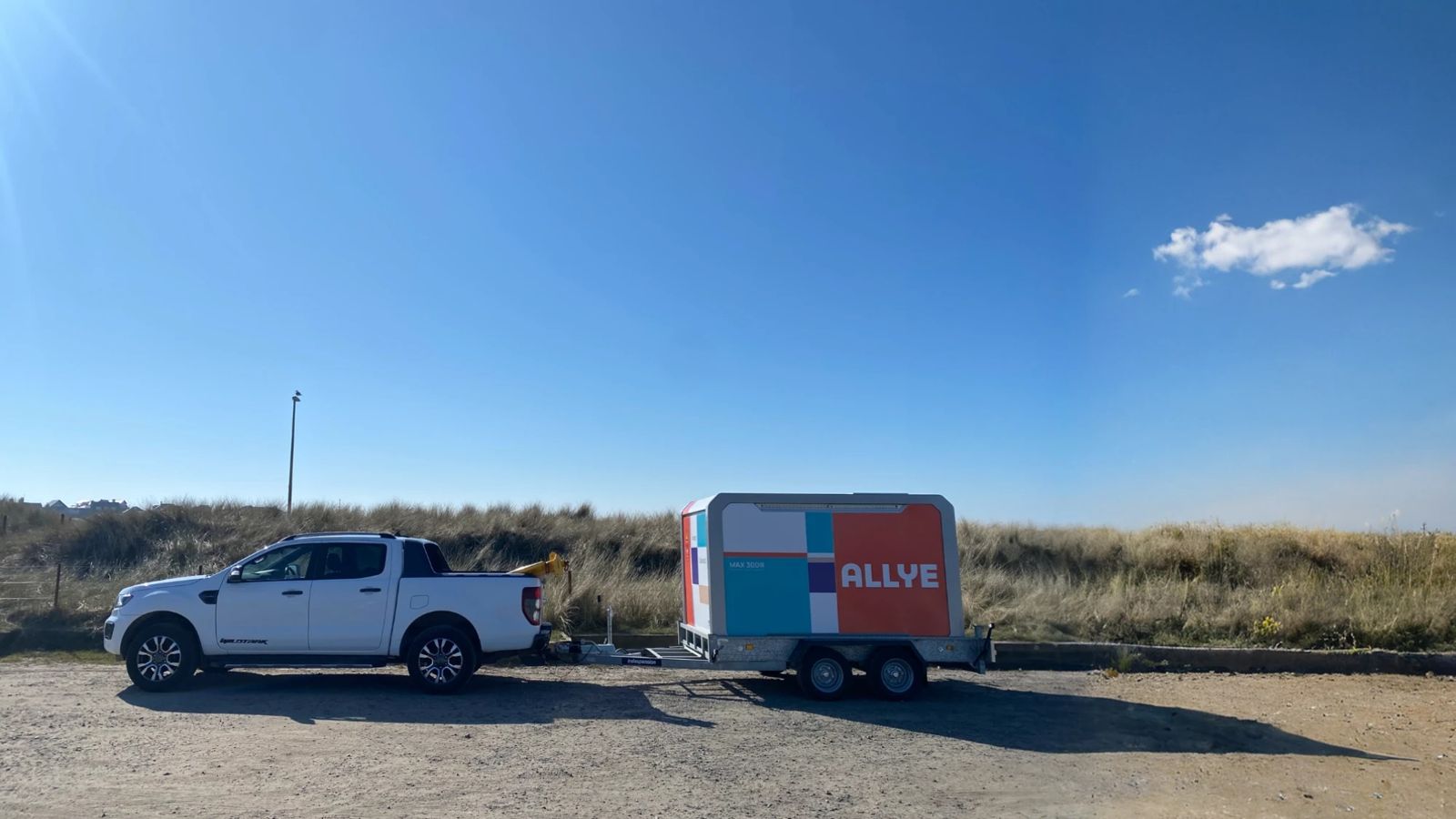
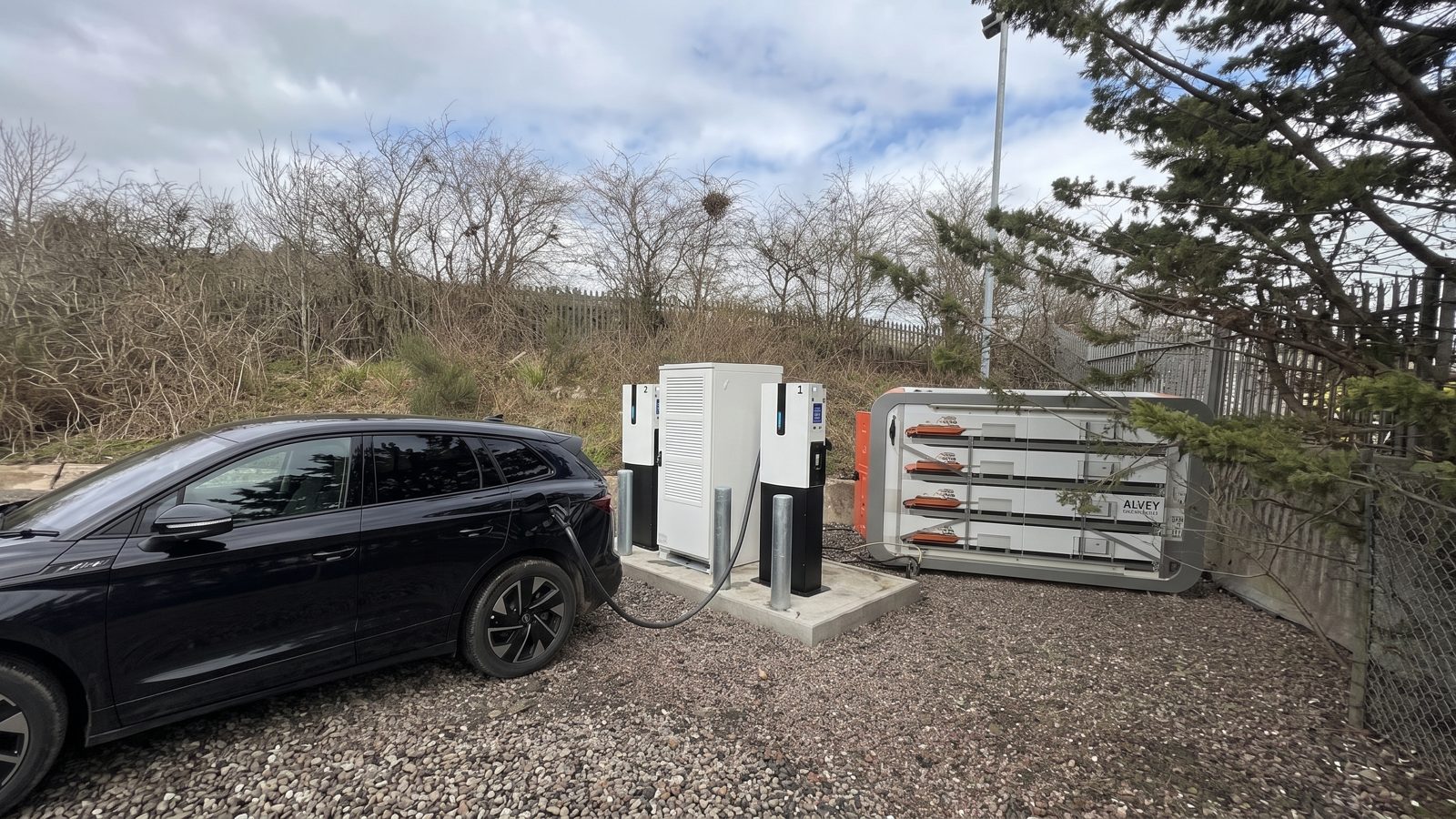
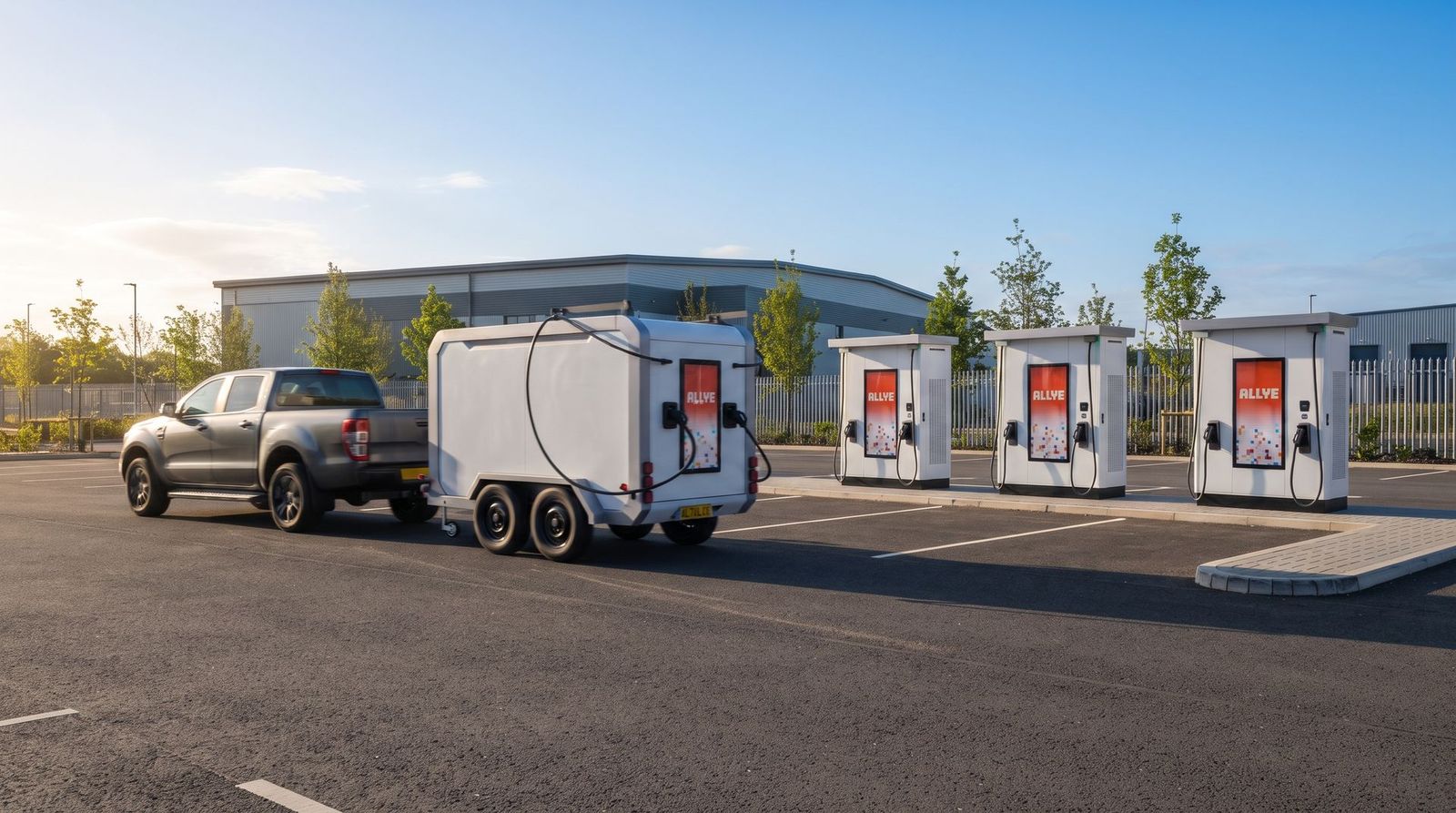
MAX, for trucks, buses and plant. Mobile battery storage that powers your chargers or charges vehicles directly. The MAX300 starts at £78,000 and tows behind a van. The MAX1000 and MAX1500 drop off a hooklift truck and deliver up to 1.28MW of DC charging. J&M Murdoch has run a MAX300 with Chargepoly chargers at its Glasgow depot since March 2026, deferring a £300,000 grid upgrade.
Five checks before you apply
- Count energy, not chargers: vehicles x daily miles x kWh per mile.
- Check dwell time. Overnight parking and short turnarounds need different answers.
- Find your supply: the agreed capacity on your electricity bill and your current peak.
- Work out the gap: the power you need at peak, minus your spare capacity.
- Choose your route. If spare capacity covers it, chargers alone will do. If not, you need a battery, or a grid upgrade finished before March 2028.
We'll draft your application answers, free
Send us your vehicles, mileage, dwell time and site supply. We'll size the depot, recommend MEV or MAX, price it and write your Round 2 application answers. Every fleet, not just a selected few.
Prices exclude VAT. MEV figures are design targets ahead of certification; MEV deliveries start in Q2 2027. Battery storage is expected to be an eligible cost; we confirm eligibility on every project. Sources: Department for Transport, Depot Charging Scheme Round 2, GOV.UK Find a Grant, November 2026; Reverse the Charge, The Fast Charge and Zest, November 2026 (public rapid site, 2 x 100kW on 232kVA).